TaxCure WP

Search results for: “profiles”

  • What to Expect With a Florida DOR Tax Audit

    Florida Tax Audits: Guide for Business Taxpayers

    The Florida Department of Revenue (FL DOR) has the right to audit your sales tax, option tax, corporate income tax, and other state tax returns. The basic premise of an audit is simple — the FL DOR wants to see proof of the information you reported on your tax returns. Although this sounds simple, a Florida audit can be a stressful and time-consuming process. 

    florida tax audits

    This guide provides an overview of the Florida Department of Revenue audit process, what to expect if you're being audited, and how to get through an audit with as little stress as possible. It also explains how an IRS audit can affect your Florida tax returns. 

    What to Expect With a Florida Tax Audit

    During a Florida sales tax audit or an audit of any other Florida tax, the auditor will examine your records to verify the information on your tax returns. The department may audit just a few details from your return. Or it may conduct a major tax audit that looks at your sales and use tax, corporate income tax, local option taxes, and any other taxes your business pays to the FL DOR. 

    There are desk audits and field audits. During a desk audit, the auditor stays in their office, and you send them the information they request. In contrast, if the auditor does a field audit, they will come to your place of business. 

    If your returns are incorrect, the auditor will adjust them. Depending on the changes, you may end up owing additional tax or receiving a refund. The following sections outline more about what to expect during a Florida tax or accounting audit.

    The FL DOR claims that its audits aren't just for tax compliance. The department says that audits can also be educational for taxpayers. For instance, the department says that it might show you how to improve your bookkeeping so that your returns are more accurate. 

    However, you don't necessarily want to give a FL DOR auditor free rein over your bookkeeping records. To protect yourself and your business, you should work with a tax pro experienced with Florida tax audits. A Florida tax professional can ensure that you provide the auditor with the required information without giving them extra details that they don't have a right to see.


    How the Florida DOR Selects Accounts for Audits

    The FL DOR randomly selects some businesses for audits. In other cases, the agency audits businesses because of discrepancies with information from the IRS or tax agencies in other states. The agency also analyzes Florida tax returns, and if it sees signs of a potential issue, it may decide to do an audit. 

    Types of Records You Need for a Florida Tax Audit

    The types of records you need for a Florida tax audit vary depending on the type of audit. For instance, if the auditor is doing a Florida sales tax audit, you will need to provide records about your sales and the sales tax collected. Similarly, if you're undergoing a Florida Corporate Income Tax audit, you will need to provide records about your business's revenue and expenses. 

    Here are some of the records the auditor may request:

    • Florida income tax returns
    • Florida sales and use tax returns
    • Other Florida tax returns
    • Federal tax returns
    • Depreciation schedules
    • Sales records
    • Purchase records
    • Property records
    • Check registers
    • Canceled checks
    • General accounting ledgers and journals
    • Cash receipt journals
    • Purchase and sales journals
    • Sales tax exemption or resale certificates
    • Corporate charters
    • Any other documents that support details reported on tax returns. 

    You can supply your records in paper or digital format, but sometimes, you may be required to provide digital documents. At the beginning of the audit, the DOR will send you a questionnaire to determine if you can complete the audit electronically. 

    What Happens If You Don't Have the Records for a Florida Sales Tax Audit or Other Florida Tax Audit?

    Florida law says that you must keep your records for at least three years after the due date of your tax return. Generally, the FL DOR only goes back three years or less during an audit. However, there are exceptions to this rule. If you didn't file a return or if you filed a return with substantial errors, the department can go back further than three years. 

    If you don't have records because it's past the three-year mark or for any other reason, the auditor will estimate your tax liability based on the available information. This can often lead to unnecessarily high tax liabilities. Ideally, you should keep your records, but if you're going through an audit and you don't have all of your records, you should get help from a tax lawyer, enrolled agent, or accountant with FL audit experience. 

    A Florida tax pro can help you reconstruct your records. They can also ensure that your rights are protected during the audit. 

    Types of Florida Tax Audits

    The Florida DOR administers 36 different taxes, and it has the right to audit information for any of these taxes. Here are some of the most common types of Florida tax audits.

    Florida Sales Tax Audits

    A sales tax audit is one of the most common audits for Florida businesses. If you receive a notice of a Florida sales tax audit, you have 60 days to prepare, and the audit must start within 120 days. During the sales tax audit, the auditor will look at copies of your Florida sales tax returns, and they will request records from you to verify the information on your returns. 

    For instance, if the FL DOR is auditing all of your 2021 sales tax returns, the auditor will likely request to see copies of the sales reports from your point of sale (POS) system for the entire year. If you don't run all of your sales through a POS, the auditor may ask to see other records. 

    The auditor may also request to see bank statements. For instance, if you have a lot of unexplained deposits, the auditor may have reason to believe that you're making sales that you're not reporting. 

    Sometimes, a Florida sales tax auditor may discover that you have overpaid sales tax. For instance, imagine that your bookkeeper accidentally classified a business loan as revenue, and when they filed the sales tax report, they paid sales tax on the amount of the loan in addition to your sales. If the auditor sees this type of mistake, they will adjust your sales tax returns and issue you a refund. 

    Use Tax Audits During a Florida Sales Tax Return

    During a sales tax audit, the auditor may also look for signs that your business owes use tax. For instance, if your business purchased a vehicle in another state and never paid Florida use tax, the auditor will note that fact. Then, they will go through the process of assessing the use tax against you. 

    Many business owners overlook the use tax portion of their Florida sales tax returns. But if you purchase items online or out of state and don't pay tax, you are supposed to report these purchases and pay use tax. Taxable purchases go on line B of your Sales and Use Tax Return. 

    FL Sales Tax Audit for Remote Businesses With Florida Nexus

    If you have nexus in Florida, you are required to collect and remit sales tax on taxable goods and services. Which businesses have nexus in Florida? Businesses that are based in Florida have nexus in the state, and remote businesses have nexus if they have taxable Florida sales of more than $100,000 in a year.

    For instance, if you run an eCommerce business and sell $50,000 in goods to Florida residents, you don't have nexus in the state unless you meet the location requirements. So, you don't have to register or collect sales tax. However, if you sell $200,000 in taxable goods or services to customers in Florida, you are over the nexus threshold and must pay Florida sales tax. 

    In addition to auditing businesses that are based in Florida, the FL DOR may do sales tax audits on remote businesses. The audit will focus on your sales tax returns if you have filed sales tax returns. If you have not filed, the audit may focus on whether or not you have nexus in the state, and if so, they will start the audit process into the returns you should have filed. 

    Florida Corporate Income Tax Audits

    A Florida corporate income tax audit follows the same initial timelines as a Florida sales tax audit. After you receive the notice, you have 60 days to prepare, and the audit must start in at least 120 days. Take your time to prepare. A Florida corporate income tax audit can be a very lengthy process, and you want to ensure that you have everything ready before you start the audit. 

    During a corporate income tax audit in Florida, the auditor will look at the majority of your business records. They want to ensure that you have reported all of your business revenue correctly and haven't overstated any of your business expenses. They will also look at any property you've purchased, depreciation schedules, bank records, and a variety of other business records. 

    Florida Reemployment Tax Audit

    Every year, the FL DOR audits 1% of all businesses that pay reemployment tax into the Unemployment Compensation Trust Fund. For reemployment tax audits, the FL DOR selects some accounts at random. The department also looks for anomalies on your return based on statical data for your industry, business size, location, or aberrations between your return and federal or third-party data. The department also audits some employers that are dealing with reemployment assistance claims and collection items. 

    During this audit, the auditor will look at earnings and tax documents related to your employees. This may include your Form 940 (Employer's Annual Federal Unemployment Tax (FUTA)) returns and other employment tax returns such as Forms 941, 943, or 944. The auditor will also want to see your W-2 and W-3 tax forms as well as individual earnings records. 

    They may also request your payroll summaries, payroll ledgers, and individual earnings records. To ensure you are classifying your employees correctly and not paying people as independent contractors to avoid paying reemployment tax, the FL DOR auditor may request to see independent contractor agreements and 1099-NEC forms. 

    Florida Option Tax Audits

    In most cases, when the Florida DOR does an extensive audit of sales tax or corporate income tax, the auditor will also do a smaller audit on a tax such as the option tax. Option taxes are local taxes such as discretionary sales surtaxes, local option fuel taxes, transient rental taxes, tourist development taxes, tourist impact taxes, convention development taxes, local option food and beverage taxes, or municipal resort tax. The documents you will be asked to provide may vary based on the type of option tax being audited. 

    Florida Self-Audit or Self-Analysis

    A self-audit or self-analysis project is when the FL DOR has the taxpayer complete the audit process. Generally, Florida self-audits focus on a relatively narrow issue related to a specific type of tax. If you're selected for a self-audit, the DOR will send you information about the tax, instructions, and worksheets. 

    You will complete the worksheets independently and determine if you owe any additional tax. The auditor usually won't call you or come to your business. Generally, the FL DOR accepts the information taxpayers provide during a self-audit, but your account can still be selected for a convention audit. To ensure you provide the right details, you may want to hire a tax pro to help with your Florida self-audit.

    What Is Notice DR-840?

    To notify you that you have been selected for an audit, the FL DOR will send you Notice DR-840 (Notice of Intent to Audit Books and Records). Generally, Florida Notice DR-840 means that the department is doing a full audit. The notice will explain which taxes are being audited, the timeline for the audit, and the statutes relevant to the audit. 

    If you need help understanding Notice DR-840, contact a tax attorney, accountant, or enrolled agent. They can help you decipher the notice and prepare for your audit. 

    What Is Notice DR-846? 

    In the past, if the FL DOR selected you for a limited scope or self-audit, the department would send you Notice DR-846 (Notice of Intent to Conduct a Limited Scope Audit or Self-Audit). Typically, the department used this notice when it audited issues related to commercial rent or out-of-state purchases. 

    However, in recent years, the FL DOR often used Notice DR-846 and DR-840 interchangeably. As a result, you may receive Notice DR-846 if you're facing a full audit. In all cases, the notice should explain what is being audited, the audit deadlines, and your rights under the Florida state law. If you're not sure what Notice DR-846 means, contact a FL tax pro to help you.

    What Is Notice DR-1212?

    Generally, you receive FL DOR Notice DR-1212 (Notice of Intent to Make Audit Changes) after the audit is complete. This notice details the changes the auditor is proposing to your Florida tax returns. However, in some cases, businesses receive this notice before the above audit notices. 

    If you receive this notice and you have not gone through an audit, it means that the DOR is making changes to your account. Make sure that you contact the department as soon as possible if you disagree with the changes. If you don't reach out, the assessment may become final, and you may lose your chance to protest the tax.

    What Is eAuditing in Florida?

    If you are selected for a Florida sales tax or any other type of Florida tax audit, you may hear the phrase eAuditing. Also called electronic auditing, eAuditing simply refers to providing the requested documents electronically. 

    Generally, when the FL DOR notifies you about an audit, it will send you a questionnaire to determine if your business can do an e-audit. If so, you will send in your documents electronically, and the auditor will use computer programs to analyze the information. 

    In many cases, you can choose whether or not you want to do an eAudit. However, if you keep sales and use tax records in an electronic format, you must provide them to the department in an electronic format. This is a requirement.

    Your Rights During a Florida Tax Audit

    During a Florida tax audit, you have the following rights:

    • To receive prompt and accurate responses to your questions and requests for help.
    • To be represented by a tax lawyer or other qualified representatives such as a CPA or enrolled agent.
    • To ask for help from a taxpayer's rights advocate if you can't resolve problems through the usual administrative channels or if you have received poor treatment from the auditor.
    • To record interviews.
    • To have penalties and interest removed when you have received incorrect advice from the FL DOR in response to an accurately written request for information. 
    • To have interest waived when it's due to errors or delays caused by an employee of the department.
    • To obtain straightforward and nontechnical statements about why you were selected for an audit. 
    • To be informed of collection actions related to property seizures or asset freezes (except in cases of jeopardy assessment). 
    • To request an immediate review of a jeopardy assessment.
    • To have your information kept confidential. 
    • To recover damages when the DOR causes injury through wrongful or negligent acts or omissions. 
    • To recover legal costs if you're the prevailing party in a judicial or administrative action brought forward without justiciable issues of fact or law. Note that the department has the right to recover legal costs if it is the prevailing party in the same situation. 
    • To have the audit completed in a timely manner. 
    • To participate in free educational activities that help you comply with Florida state tax laws. 

    These are only some of your rights. Florida taxpayers have even more rights during an audit. To ensure your rights are protected, you should work with a tax professional experienced with Florida tax audits. They will be able to answer your questions and ensure that the tax auditor respects your rights while conducting the audit. 

    Are Florida Tax Audits Educational?

    The FL DOR says that audits should be educational, and it gives you the right to get prompt and easy-to-understand answers to your questions. While this is true in theory, it doesn't always happen in practice. By law, auditors are not allowed to receive any bonuses or commissions based on the amount of tax they assess, but they are often "graded" on how quickly they complete audits. If you have an auditor who is trying to speed through the process, your legal rights and the accuracy of the audit may get lost along the way.

    For instance, some auditors push taxpayers to provide information before the 60-day time limit is up. You are never required to provide information to an auditor until 60 days after you receive the audit notice. But many taxpayers are intimidated by auditors. They comply with requests that aren't necessarily in their best interest. A tax professional can help to protect you. They ensure that you don't have to deal with unnecessary demands that infringe on your rights. They also ensure that the audit is done fairly and accurately. 

    Timeline for a Florida Tax Audit

    When you receive the audit notice, you have 60 days before the audit starts. In some cases, auditors may request information early, but once you start providing information, the audit starts. You lose the 60-day window. To ensure you have everything you need to complete the audit, you should take full advantage of this time period. 

    The audit must start within 120 days of when the audit notice was issued. Generally, that means the audit should start between two and four months after you receive the notice of audit. 

    In Florida, audits are supposed to be wrapped up within a year. To ensure you have time to contest the audit if you disagree, most auditors try to complete the process in nine months. However, some Florida tax accountants report that audits can take over a year.

    What Is the Statute of Limitations on a Florida Sales Tax Audit?

    Once a sales tax return has been filed, the FL DOR has three years to audit it. However, if you don't file a sales tax return, the department can go back any amount of time. Additionally, the three-year statute of limitations doesn't apply if your sales tax return had substantial errors.

    Statute of Limitations on Florida Corporate Income Tax Audit

    The FL DOR observes the same time limit for corporate income tax audits as it does for sales tax audits and all other types of Florida tax audits. Generally, the department can only go back for three years. But again, if you haven't filed a return or if you filed a substantially incorrect return, the department can go back more than three years. 

    How an Active Florida Tax Audit Affects the Statute of Limitations

    Notice DR-840 pauses the statute of limitations. The statute of limitations stays paused until the audit is complete. How does a toll on the statute of limitations work? Check out this example. 

    Imagine that you receive Notice DR-840 on January 2, 2022, and the FL DOR says that it is going to audit your annual sales tax returns for tax years 2020, 2019, and 2018. Your 2018 annual sales tax return was due on January 20th, 2019. As a result, the statute of limitations to audit this return normally expires on January 20th, 2022. However, the DR-840 notice paused the clock on January 2nd, 2022. As a result, the department can still audit your return. 

    How to Pay Your Florida Audit Assessment 

    If you owe additional tax after the completion of the audit, it is due immediately. You can pay the tax by mailing a check or money order to the Florida Department of Revenue. Send the payment to the following address:

    Florida Department of Revenue
    PO Box 5139
    Tallahassee, FL 32314-5139

    To ensure your account gets credited correctly, write the audit number and the tax type on your check or money order. Don't send the payment with your other FL DOR payments, or it may be credited to the wrong account. You may also incur additional penalties/interest or face collection actions.

    If you cannot afford to pay the audit assessment, contact the FL DOR to talk about payment options. The DOR may be willing to offer you payments on a case-by-case basis. Typically, the state applies a 10% penalty on all taxes once they are 90 days late. This penalty will apply to your account after your protest period has ended. 

    What to Do If You Disagree With the Outcome of a Florida Tax Audit

    If you don't agree with the results of the audit, you have the right to protest. This applies to Florida sales tax audits as well as any other types of Florida audits. 

    You can make an informal protest in writing, but you must do so within 60 days of the date the DOR issues the Notice of Proposed Assessment (NOPA). Your informal protest should include your name, the tax type, the amount of tax protested, a schedule of the protested adjustments, and a statement of factual or legal grounds for the protest. 

    After the DOR reviews your protest, the department will issue a Notice of Decision (NOD). If you still disagree, you can file a petition for review by the Division of Administrative Hearings (DOAH), or you can file an action in the circuit court or in the relevant Florida District Court of Appeals. 

    Alternatively, if you disagree with the results of your Florida audit, you can make a formal protest. Before making a formal protest, you must pay any taxes that you agree with as well as the penalties and interest associated with those taxes. Then, you can file a protest through the DOAH or the circuit court. 

    You must make the formal protest within 120 days after the DOR issues the Notice of Proposed Assessment (NOPA). If you're pursuing a formal protest after making an informal protest, you must do so within 60 days of receiving the Notice of Decision. You cannot extend these deadlines. 

    Changes to Florida Corporate Income Tax After IRS Audit

    If the IRS makes changes to your corporate income tax return during an audit, the changes are likely to affect your corporation's taxable income in Florida. Generally, you must submit an amended Florida corporate income tax return within 60 days after the IRS's adjustments are finalized. To amend your Florida return, use FL DOR Form F-1120X (Amended Florida Corporate Income/ Franchise Tax Return). 

    Note that you don't have to file an amended Florida return in the following situations:

    • The IRS changes only involved a carryback of a net operating loss or a capital loss. 
    • The IRS audit only increased or decreased a net operating loss. 

    As you can see, neither of these changes increased your corporation's taxable income. As a result, you don't have to report the changes to the Florida DOR. 

    If the IRS audit changed your taxable income, you must report the changes to the FL DOR by filing an amended return. If you owe additional tax, you will need to pay the tax plus interest that has accrued from the original due date of the return. If the IRS audit lowered your taxable corporate income, you might be able to claim a refund from the FL DOR. 

    In some cases, you may need to file multiple amended Florida corporate income tax returns. This happens when there are disputes during the IRS audit. For instance, if you and the IRS agree on some changes, but others are still under debate, you will need to file an amended Florida corporate income tax return within 60 days of the agreed-upon changes. Then, when any other changes are agreed upon, you will need to file an additional amended return. Repeat this process as many times as necessary.

    If you make a payment of disputed IRS tax amounts so that you have the right to contest a federal assessment, you don't have to submit the amended return for those changes. Those changes are still in dispute. By extension, the payment does not count as tax paid in relation to the 60-day filing requirement. However, once the dispute is resolved and the IRS or the courts issue a final decision, you will need to amend your corporate Florida return.

    Get Help With a Florida Tax Audit

    A tax audit can be an intimidating and scary process. It can also take a lot of time that you don't have when you're running a business. Additionally, tax audits can lead to assessments against you. If you don't have the right records or if you don't understand certain elements of the tax code, you may even end up facing a larger tax liability than you should. 

    Audits also have strict deadlines, and if you miss them, you may lose out on the opportunity to share your side of the story or contest the results of the audit. 

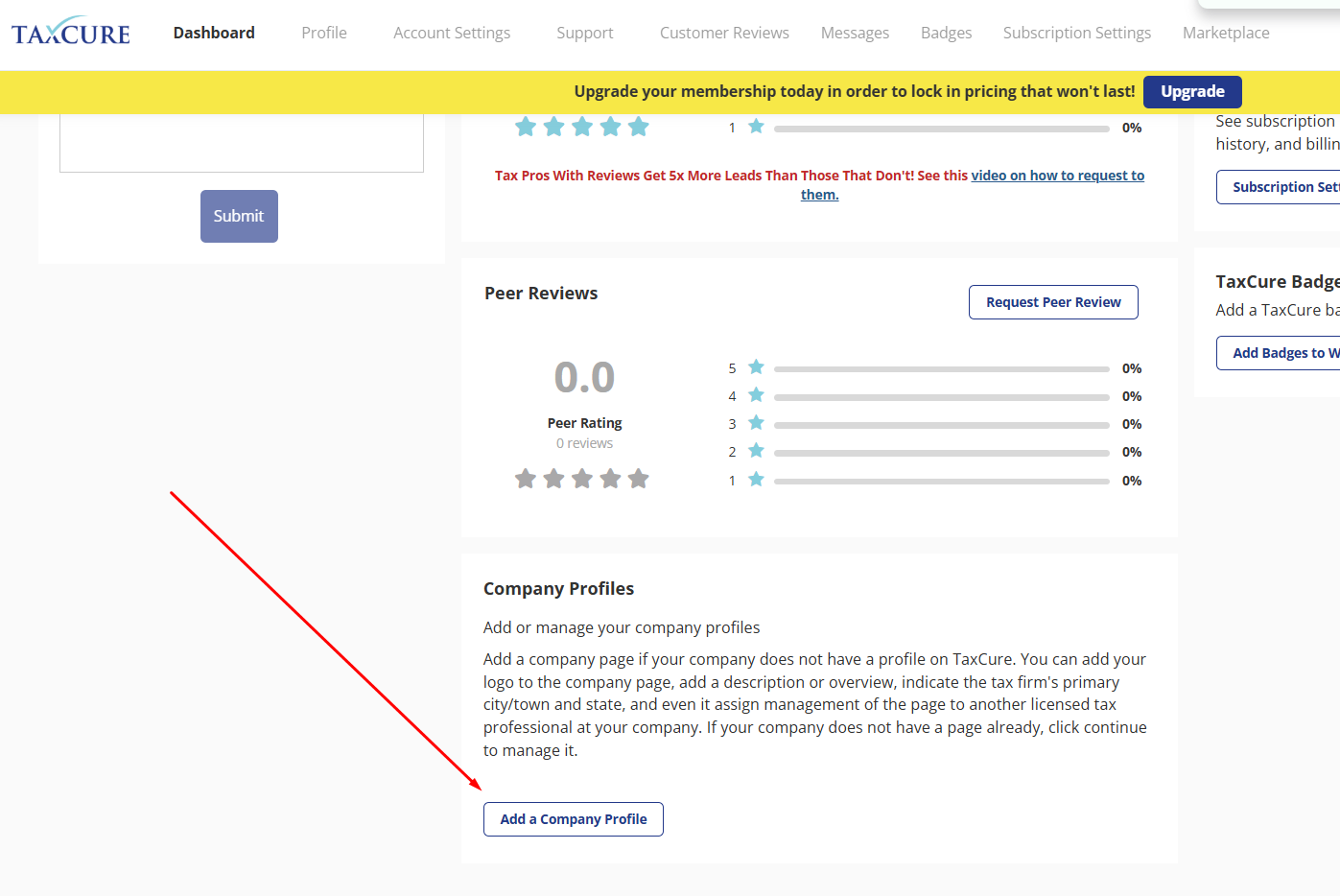
    Local Florida tax accountants, enrolled agents, and tax lawyers can help you deal with Florida sales tax audits and other state tax audits. Using TaxCure, you can search for Florida-based tax professionals who have experience helping clients with tax audits. Then, you can review their profiles and select the person who has the right experience for your situation.

    Don't let a Florida tax audit stress you out or cause damage to your business. Instead, get help from a local Florida tax professional today.

  • Guide to Texas Sales Tax – Reporting, Paying, Penalties, & More

    Texas Sales Tax Requirements &What to Do If You Are Behind

    texas sales tax requirements

    Texas has a 6.25% state sales tax on all retail sales, leases, rentals, and many taxable services. If your business has nexus in Texas, you must collect sales tax from your customers and remit sales tax forms and payments to the Texas Comptroller. To help you out, this guide to Texas sales taxes explains the following:

    • Businesses are required to collect Texas sales tax.
    • The meaning of nexus in Texas.
    • How to find the local sales tax rate in Texas.
    • How to register for the Texas sales and use tax.
    • How to report sales tax in Texas.
    • How to pay sales tax in Texas.
    • Due dates for Texas sales tax returns.
    • Penalties for filing sales tax returns late in Texas.
    • Penalties for paying sales tax late in Texas.
    • Interest rates on late payments.
    • Sales tax discounts.
    • Texas sales tax audits.
    • What to do if you were supposed to collect sales tax and didn't.
    • Voluntary Disclosure for Texas sales tax.
    • How to get help with Texas sales tax.

    Who Needs to Collect Texas Sales Tax?

    You must collect and pay sales tax if you sell, lease, or rent out retail goods in Texas. You must collect and pay sales tax if you have a clothing boutique or restaurant in Texas. Remote sellers who have nexus in Texas must also collect and pay sales tax. You also provide taxable services. 

    Taxable services include amusement services; cable television services; credit reporting services; data processing services; debt collection services; information services; insurance services; internet access services; laundry, cleaning, and garment services; motor vehicle parking and storage services; non-residential property maintenance; remodeling or repair services; personal services; real property services; security services; telecommunication services; telephone answering services; utility transmission and distribution services; and taxable labor including photographers, draftsmen, artists, tailors, and others. 


    What Is Nexus for Texas Sales Tax?

    Anyone who has a business based in Texas has nexus in the state. For instance, if you run a retail store in Austin, you must collect and pay Texas sales tax. Remote sellers only have nexus if they collect over $500,000 in revenue in Texas. 

    For example, if you have a website and sell $1,000 in goods to Texas residents, you are under the threshold and don't have nexus in Texas. However, you are over the nexus threshold if you collect $600,000 in revenue selling goods or taxable services to Texas residents. By extension, you must collect and pay Texas sales tax. 

    Remote sellers include anyone who sells goods or services through the internet, over the phone, using radio or TV advertisements, or through catalogs and flyers.

    What Is the Local Sales Tax Rate in Texas?

    In Texas, the state sales tax rate is 6.25%, but local governments are allowed to add up to 2%. To find the local sales tax rate in your area, you can use the Texas Comptroller's Sales Tax Rate Locator. Simply type in your address, and the locator will show you the rate for your area. 

    If you have multiple business locations in Texas, you will need to know the rate for each area. Similarly, if you are a remote seller with nexus in Texas, the rate will vary based on the location of the customers that you sell to. 

    How Do You Register for Texas Sales and Use Tax?

    You can register for a Texas sales tax account online through the Comptrollers sales tax eSystem. Or you can apply via mail, email, or fax using Form AP-201 (Texas Application for Texas Sales Tax Permit). To apply online, you need the Social Security Number of the owners, partners, officers, or directors of the business. Corporations also need the file number from the Texas Secretary of State. If you register online, you should receive your sales tax permit in two to three weeks. 

    How Do You Report Sales Tax in Texas?

    When you receive your sales tax permit, the Texas Comptroller will let you know if you should file monthly, quarterly, or yearly. You can file online through the Texas Comptroller's sales tax eServices or by downloading software to use the Electronic Data Interchange (EDI). 

    If you collected $49,999 or less in the last fiscal year, you can file a paper tax form. You should file using the preprinted form mailed to you, or you can download sales tax return forms from the Texas Comptroller sales tax site. 

    How Do You Pay Texas Sales Tax?

    All businesses can pay their Texas sales tax online using the Comptroller's sales tax eServices, through their EDI software, or with the TexNet system. If your business collected less than $10,000 in sales tax in the last fiscal year, you also have the option to pay Texas sales tax with a check. 

    When Is Texas Sales Tax Due?

    Texas sales tax returns are due on the 20th of the month following your reporting period or the next business day if the 20th falls on a weekend or a holiday. For instance, if your business reports sales tax annually, your sales tax return is due on January 20th. 

    If you report quarterly, your sales tax returns are due April 20th, July 20th, October 20th, and January 20th. Monthly reports are due on the 20th of the month following the month of sales. For instance, your September sales tax return is due on October 20th. 

    What Are the Penalties for Filing Sales Tax Late in Texas?

    If you file your return late, you incur a $50 penalty. The penalty applies per report. If you file multiple reports, you will incur multiple penalties. The penalty for filing your Texas sales tax return late applies the first day you are late. 

    What Are the Penalties for Paying Sales Tax Late in Texas?

    If you pay the sales tax one to 30 days late, the late payment penalty is 5% of the tax due. The penalty is 10% for payments that are more than 30 days late. Keep in mind that the online payment channels have specific cut-off times. If you make your sales tax payment on the due date, it may not be credited until the next day if you make it after the cut-off time. 

    If the state sends you a notice of tax or fee due, you will also incur an additional 10% penalty. This brings your total penalty for late sales tax to 20% of the tax owed.

    What Is the Interest Rate on Late Sales Tax Payments?

    The Texas Comptroller charges interest when your sales tax payment is 61 days or more late. The interest applies to your late sales tax and the penalties on your account. The interest rate changes annually, and it is the annual prime rate plus one. For instance, if the annual prime rate is 4.25%, Texas will charge you 5.25% annual interest on your late sales tax bill.

    If you overpay and request a refund, the Texas Comptroller will also pay you interest. For instance, say that a bookkeeping error caused you to pay $1,000 in extra sales tax. When you fill out the refund request, the state will apply interest to this amount so you will get back a bit more than the $1,000. 

    What Are Texas Sales Tax Discounts?

    If you file and pay your Texas sales tax on time, the state will give you a discount of 0.5% of the tax due. For instance, if you're paying $10,000 in sales tax, you will receive a discount of $50. 

    Monthly and quarterly filers can get an extra 1.25% discount if they pay estimated sales tax early and file on time. To get this discount, monthly filers must pay by the 15th of the month of sales and quarterly filers must pay by the 15th day of the second month of the quarter. 

    For example, say that you're a monthly sales tax filer. To get the 1.25% prepayment discount as well as the 0.5% timely filing discount, you must pay your estimated January sales tax bill by January 15th. Then, your return is due on February 20th. 

    Now let's say you are a quarterly filer in the second quarter of the year (April, May, and June). To get the prepayment discount, you must pay the estimated sales tax by May 15th, and your return is due on July 20th. 

    Of course, you can't get this discount if you send in a lowball prepayment. The Texas Comptroller defines a reasonable estimated payment as at least 90% of your sales tax due for the tax reporting period or 100% of the amount due the previous period. 

    Extensions for Texas Sales Tax Returns

    You cannot request an extension for a Texas sales tax return. The only exception is if you are in an area declared as a disaster. The Texas Comptroller publishes a list of disaster areas declared by the Texas Governor. 

    How to Amend a Texas Sales Tax Return

    If you make a mistake on a Texas sales tax form, complete a new return with the correct information, write "amended return" on the top, and mail it to the Texas Comptroller's Office. Alternatively, you can just send in a copy of your original return with the changes noted on it and "amended" written at the top. 

    Send your amended sales tax return to this address

    Comptroller of Public Accounts

    111 E 17th Street

    Austin. Texas 78774-0100

    If you underpaid your taxes, you should also send in a payment for the difference plus late penalties and interest. If you overpaid, you would need to apply for a refund. Use Form 00-957 (Texas Claim for Refund) to apply for a refund. Make sure to include any documents that support your refund claim. Generally, you must apply for a refund within four years of the tax due date. 

    What Is a Tax Sales Tax Audit?

    A sales tax audit is when the Texas Comptroller checks to make sure that you have collected, reported, and paid sales tax correctly. When you file a Texas sales tax report, you provide details about your sales and the amount of sales tax you collected, but you don't provide any supporting documentation. Basically, an audit asks for the supporting documentation.

    To ensure tax compliance, the Texas Comptroller selects certain accounts for audit. During an audit, you basically prove the information on your sales tax return. For instance, you may show the auditor sales reports from your point of sale (POS) system or you may show bookkeeping records. The auditor will tell you what information they need to see. 

    If the auditor wants to change any of the details on your sales tax returns, you can present new information if you disagree with the changes, but you must provide the information in a reasonable time frame. Once the audit has been finalized, you can request a formal hearing if you disagree with the results. 

    The Comptroller tries to make the audit process as simple and streamlined as possible. But a sales tax audit can be a confusing and stressful process. To get help, contact a Texas tax pro who has experience with sales tax audits. 

    What Should I Do If I Was Supposed to Collect Sales Tax in Texas, but I Didn't?

    If you were supposed to collect Texas sales tax, but you didn't, you will face penalties and interest. By not paying sales tax, you subject yourself to all of the collection actions used by the Texas Comptroller, including tax liens, asset seizures, and wage garnishments. If the state believes that you have been purposefully evading sales tax, you may also face civil or criminal penalties. 

    However, if you reach out to the state first, you may be able to minimize the damage. The Texas Comptroller offers a voluntary disclosure program for businesses that need to get caught up on unfiled and unpaid sales tax reports. It is always better to contact the taxing authority than to wait for them to contact you.

    What is Voluntary Disclosure for Texas Sales Tax?

    Sometimes, businesses don't know they're supposed to collect sales tax, or they fail to set up a sales tax account for some reason or another. To help taxpayers in this situation, the Texas Comptroller offers a voluntary disclosure program for sales tax. 

    You must contact the Comptroller's Office first to qualify for voluntary disclosure. If they have already reached out to you about the delinquent sales tax or sent you an audit notice, you cannot use this program. 

    When you make a voluntary disclosure for sales tax in Texas, you typically only have to file the last four years of returns. For instance, if you were supposed to collect sales tax for two years and you never did, you only will deal with those two years of unfiled and unpaid sales tax returns. If you were supposed to collect for six years, you will generally only deal with the unfiled and unpaid returns for the last four years. 

    However, if you have been collecting but not paying sales tax, there is no limit to the lookback period. For instance, if you have been collecting sales tax from your customers for six years, you will need to deal with all of the unpaid sales tax and returns for that entire time period. 

    The state also eliminates all of the penalties and interest on your account. However, you will pay interest if you have been collecting but not paying sales tax.

    Can I Make Payments on Late Sales Tax Liabilities?

    If you file behind on your sales tax payments, you may be able to make payments. However, this is never guaranteed. All taxes are due on the due date, and the Texas Comptroller tends to be strict with sales tax payments because they are collected from other people. In other words, you have collected the sales tax from your customers, and the state expects you to make the payments. 

    However, if you're having difficulty paying your sales tax bill, you can apply for payments. The Texas Comptroller's Office makes decisions about payment plans on a case-by-case basis. You can apply by contacting the local field office in your area, or you can work with a tax pro. They can help you deal with unpaid sales taxes in Texas.

    Why Are People Calling Me About My Texas Sales Tax Account?

    Some issues related to your Texas sales tax account are public information. In particular, when you register for a sales tax account, that is public information. It's also public information if you're being subjected to a Texas sales tax audit. 

    Salespeople find these public records and they use them as leads. As a result, when people register for a sales tax account, they often get a lot of phone calls from businesses selling services to help start-ups. Similarly, when businesses are being audited, they may get calls from accountants or tax resolution firms trying to sell them sales tax audit services. 

    Ultimately, it's up to you if you want to work with a telephone salesperson. But you should never share private information over the phone until you have verified that the company on the other line is trustworthy. 

    How Do I Get Help With Texas Sales Tax Issues?

    Texas sales tax is a very specific part of the tax code. If you need help with Texas sales tax issues, you should contact a local tax pro who has experience with Texas sales tax. Texas tax pros can help you file delinquent sales tax returns, apply for penalty abatement, deal with Texas sales tax audits, and apply for voluntary disclosure. 

    To find a Texas sales tax professional, use TaxCure to search for local Texas tax pros. Then, narrow down your search based on your unique tax problem. Once you have a list of results, you can review their profiles and reach out to the tax pro who looks like the best fit for you. 

    Most tax pros offer free consultations. You get a chance to talk about your sales tax issue, and they give you an idea of your options and the best resolution path in your situation.

  • Reinstate Texas LLC After Involuntary Termination

    How to Reinstate LLC in Texas: Guide for Texas Business Owners

    In Texas, the Secretary of State can involuntarily terminate your LLC, LP, corporation, or nonprofit corporation if you don't file required annual reports, file and pay the Texas franchise fee, maintain a registered agent, or pay SOS filing fees. This can be stressful, and it puts you at grave professional risk. But luckily, you can reinstate a Texas LLC or any other terminated business entity. 

    To help you out, here is an overview of what you need to do if the Texas Secretary of State has involuntarily terminated your LLC or other Texas business. If you want help, contact a Texas tax pro with experience with Texas LLC reinstatement.

    texas reinstate llc

    How Do I Reinstate My LLC in Texas After an Involuntarily Termination? 

    To reinstate your Texas LLC, you need to do the following:

    • FIle the missing forms and pay the delinquent tax and fees. 
    • Obtain a Texas tax clearance letter from the Comptroller of Public Accounts
    • Apply for reinstatement from the Texas Secretary of State (SOS)

    The following sections outline what you need to do to reinstate a Texas LLC or other business entity. To protect your business and personal assets, you may want to work with a local Texas tax pro experienced with LLC reinstatement. The process can be confusing without professional assistance. 

    What Does an LLC Termination Mean?

    If the Texas Secretary of State terminates your LLC, you lose the benefits of an LLC. This structure establishes your business as a separate entity. Without the LLC, you become liable for business debts and lawsuits, and you won't be able to open bank accounts or take out business loans. 

    In many cases, when the SOS terminates your Texas LLC, you will not be able to operate your business. You won't be able to sell products or services. You also have to deal with the process and fees associated with reinstating your LLC. 

    If your corporation is terminated, you won't be able to operate. If your non-profit is terminated, you won't be able to accept donations. The state's acknowledgment of your business entity is critical. If it's terminated, you lose a lot of advantages.


    How to File and Pay Late Franchise Taxes After Involuntary LLC Termination

    To reinstate a Texas LLC, you must file your franchise tax reports and pay any tax, penalties, and interest due on your account. The franchise tax reporting process varies depending on how much tax your business paid the previous fiscal year. The Texas Comptroller has links to forms on instructions on its website

    In addition to paying the late franchise tax, you will also need to pay a $50 penalty for each late report. Normally, franchise taxes are due on May 15 or the following business day if the 15th falls on a holiday or weekend. If you're paying one to 30 days late, you will also need to pay a penalty of 5% of the assessed tax. A 10% penalty applies for payments made more than 30 days late. Interest begins accruing on the account once it's 61 days late. Interest rates fluctuate, but as of 2022, they are the annual prime rate plus 1. 

    How to Obtain a Tax Clearance Letter

    To obtain a tax clearance letter, you must file Form 05-391 (Tax Clearance Letter Request for Reinstatement). This form is very short and easy to complete. It just requires your business name, 11-digit Texas taxpayer number, and the address where you want the Comptroller to send the clearance letter. You can opt to receive the clearance letter by mail, fax, or email. 

    However, filling out the form is the easy part. The important thing is to make sure that your business is compliant with the state's tax reporting and payment obligations. If you've already submitted everything, you can send the tax clearance letter request independently. If you still need to file the reports, you can send them along with the request for the clearance letter. 

    After you complete these activities, the Texas Comptroller will send you Form 05-377 (Tax Clearance Letter). Send the letter along with the reinstatement forms and filing fees to the Secretary of State. 

    Cost and Time to Get a Tax Clearance Letter

    The timeline to receive a tax clearance letter can vary. If you request the letter through the mail, you should expect to wait three to four weeks for processing. The Texas Comptroller generally processes online requests right away. There is no cost for a tax clearance letter in Texas, but of course, you do need to pay the tax and penalties to receive this letter.

    Secretary of State Texas Reinstatement for LLC

    As explained above, you will need to send the Secretary of State a request to reinstate your LLC in Texas. Once you have met the filing and payment requirements and received the tax clearance letter, you will need to request LLC reinstatement from the Secretary of State. There are a few different forms to request the Secretary of State's reinstatement. The right form depends on your situation. Here is an overview of which forms to file based on why you lost your LLC.

    If not paying franchise tax involuntarily ended your LLC

    You should file Form 801 (Application for Reinstatement and Request to Set Aside Tax Forfeiture) if not paying franchise tax involuntarily ended your LLC or other business entity. 

    You should not use this form if you want to reinstate a voluntarily terminated LLC. This form also doesn't apply if the SOS terminated your business registration for an issue other than a tax forfeiture or if a court order terminated your business. 

    Texas Form 801 requires the legal name of your business, your SOS file number, the date of forfeiture or revocation, and your signature You should also include a copy of your tax clearance letter and a $75 fee. If you don't have the SOS file number, you can submit the form without it, but this can create processing delays.

    If issues other than unpaid taxes led to involuntary termination

    In Texas, the Secretary of State can involuntarily terminate your business if you don't file required reports, pay fees or penalties, or maintain a registered agent. In these situations, you should file Form 811 (General Information — Certificate of Reinstatement) to reinstate your business. 

    Form 811 requires the name of your entity, the SOS file number, the jurisdiction of your business, and the date of termination. You also must detail the reasons for termination and explain what you have done to rectify the situation. Remember to include a tax clearance letter. It's required unless you run a non-profit organization. Send a $75 filing fee with this form. 

    If your LLP was involuntarily terminated due to not filing annual reports

    To reinstate your Limited Liability Partnership (LLP) after involuntary termination, you need to file Form 816 (Application for Reinstatement of Limited Liability Partnership). This form also requires your entity name, Federal Employer Identification Number (FEIN), and date of termination. You must also note why the business was terminated and how you rectified the issue. 

    You should also include a tax clearance letter from the Comptroller of Public Accounts and Form 713 for every year you were delinquent plus the current year. Then, include a $75 filing fee for this form. You should also include the fees for the annual reports. The filing fee is $200 for each general partner. You must submit all of this information within three years of the date your business was terminated. 

    Additionally, you need to include a $75 filing fee for this form. You should also include the fees for the annual reports. The filing fee is $200 for each general partner. For the current year, use the number of partners on the date you file. For previous years, use the number of partners on the date the return was due. 

    How To File Secretary of State Reinstatement Forms

    Once you complete the correct reinstatement form for your situation, you can mail, fax, hand deliver, or electronically submit it. To electronically submit your Texas LLC reinstatement request, go to SOS Direct or email the request to corpinfo@sos.texas.gov

    To mail the form, use this address:

    Texas Secretary of State
    P.O. Box 13697
    Austin, Texas 78711-3697

    Or you can hand deliver your form to the Secretary of State at this address:

    James Earl Rudder Office Building
    1019 Brazos
    Austin, Texas 78701

    Alternatively, you can fax the LLC reinstatement forms to (512) 463-5709. If you apply for reinstatement over fax, you should include Form 807 (Secretary of State Payment Form) with your credit card details. 

    How Long Does a Secretary of Statement Reinstatement Take?

    Once you've met all of the requirements and filed all of the forms, you're almost done. Typically, when you send the forms to the Secretary of State, they get processed in about five to seven days. Then, it should be back to business as usual. 

    Potential Obstacles With Texas Business Reinstatement

    Getting your business reinstated is relatively straightforward. You just need to complete the three steps explained above: 1) File delinquent reports and pay late taxes, fees, penalties, and interest. 2) Obtain a tax clearance letter. 3) Request reinstatement from the Texas Secretary of State. However, there are some potential obstacles that can pop up on the way. 

    Here is a breakdown of the issues you may face when you reinstate a Texas LLC or other business entity. 

    Business Name Taken by Another Entity

    If Texas involuntarily terminates your business, your business name will no longer appear in the registry of business names. This means that other people can take your business name. If you apply for reinstatement and your name is taken, you will need to change your business name or get consent to use that name.

    To get consent to use a similar name, you need to contact the business that is using the name you want. Then, fill out Form 509 (Consent to Use of Similar Name). This very brief form simply requires your proposed name and the name of the existing business. The business owner or authorized representative must sign the form to give you permission. Include this form when you request reinstatement.

    If the business's name is identical to yours or if they don't want to give you permission to use a similar name, you will need to choose a new name. This requires you to amend your formation documents. To amend, file Form 424 (General Information — Certificate of Amendment). Do not try just to set up a new LLC. This will be more expensive, and it will create obstacles in your reinstatement process. 

    You Need to Change Your Registered Agent

    Your registered agent accepts tax and legal documents on behalf of your business, and you will need to provide their information when you request a Texas LLC reinstatement. However, in most situations, you cannot use the reinstatement form to name a new registered agent. 

    In this case, you will need to complete Form 401 (General Information — Change of Registered Agent/Office). This form is fairly short and just requires details about your business and the registered agent. Include this form with your reinstatement request. 

    However, if your business was terminated due to issues with your registered agent, you can use the reinstatement form to name your new registered agent. If this describes your situation, you should note the details about the new registered agent on Form 811, and you don't have to include Form 401.

    To minimize obstacles during the reinstatement process, you should work with a Texas tax pro. They can look at the situation, identify any potential problems, and make sure that your business gets reinstated as seamlessly as possible.

    Cost to Revive an LLC in Texas

    The cost to revive an LLC in Texas varies based on the situation. As noted above, the reinstatement fee is $75 as of 2022. You can also pay $25 to have the form expedited. On top of that, you will need to pay any taxes, fees, or penalties related to your involuntary business termination. 

    For instance, if you didn't pay franchise tax, you will need to pay the franchise tax plus any late fees, penalties, or interest on your account. If your business was terminated due to not filing annual reports, you will need to pay the filing fee associated with the report. 

    There is also a fee if you need to change your registered agent with Form 401 or file a certificate of amendment. These forms have a $150 filing fee each. 

    If you decide to hire a Texas tax pro to help with the maze of filing requirements, you will pay them a fee as well. By hiring a professional, you ensure the process goes smoothly, and you get your business reinstated as quickly as possible. 

    Get Help With Texas LLC Reinstatement

    Every year, the Texas Secretary of State involuntarily terminates tens of thousands of LLCs and other business entities. If your business is revoked, you need to reinstate it. The process can be confusing, especially if you have a lot of unfiled forms or unpaid taxes. Issues such as another entity taking your name or changing your registered agent can also complicate the process. 

    You should work with a Texas tax professional. Certified Public Accountant (CPA) and enrolled agent can help you with the process. How do you find someone to help with LLC reinstatement in Texas? By using TaxCure. 

    TaxCure's search feature lets you look for Texas tax pros who have experience with LLC reinstatement. Once you do a search, you can read the profiles of multiple professionals. Then, you can choose the tax pro that looks the best to you and give them a call for a free consultation. To get help now, search for a Texas tax pro today.

  • What is a Michigan Tax Levy & How to Release or Stop

    Michigan Tax Levy Overview: How to Release or Stop a Tax Levy

    Michigan Tax Levy

    If you don't pay your state taxes, the Michigan Department of Treasury (MI DOT) has the right to levy your assets. A levy is when the state seizes your assets and uses them to reduce your tax debt. Also called a tax warrant, a levy is an involuntary collection practice. 

    This guide explains what to expect if the state issues a tax levy against you. It also outlines how to get a levy released. Then, it shows you how to get local, experienced help with your Michigan tax problems. 

    What Is a Michigan Tax Levy?

    A Michigan tax levy is when the state seizes your assets. In Michigan, the state uses the term warrant as well as levy. These words can be interchangeable, but generally, the Michigan Department of Treasury uses the word warrant when it sizes personal or real assets. It uses the word levy when it seizes the funds in your bank account or garnishes your paycheck. 

    Michigan Notice of Intent to Levy

    Before levying your assets, the state will send you a Notice of Intent to Levy. This explains the state's intention to levy your assets. It generally shows how much you owe in tax, interest, and penalties. Then, it tells you which type of levy the state plans to carry out against you. 


    Types of Tax Levies in Michigan

    The Michigan Department of Treasury uses several different types of tax levies. As of 2022, the department adds a $55 fee to your account for each levy served. This can add up quickly if the state issues multiple levies against you. If you have unpaid state taxes, you may face the following types of tax levies in Michigan:

    Wage Levy

    A wage levy affects your wags. The department will send you a notice ten days before sending the wage levy request to your employer. Once your employer receives the request, they must withhold all your wages over the exempt amount and send the money to the state. 

    Wage levies are continuous. They stay in effect until the tax debt is paid. Although you get to keep the exempt amount, it is not much. It's barely enough to cover most people's basic living expenses. The state takes everything over the exempt amount, including bonuses and commissions. Luckily, in Michigan, state law prohibits your employer from firing you if you have one or more wage levies against you. 

    Tax Warrants

    If you have unpaid Michigan taxes, you may eventually hear the phrase "tax warrant." You're probably wondering, what is a tax warrant in Michigan? Well, a tax warrant authorizes the sheriff or another entity to seize your real or personal assets and sell them at auction. 

    When a tax warrant is issued against you in Michigan, the state will add collection fees and the cost of carrying out the warrant to your balance. This may include locksmith costs, towing company fees, storage costs, fees for advertising the auction, and personnel costs. 

    The state can also use a tax warrant to close your business and sell its assets. The department must notify you at least ten days before the property is seized. Generally, the state can't sell the business property until ten days after it's been seized, but it can sell perishable items within 24 hours. 

    Financial Institution Levy

    A financial institution levy is when the state seizes the funds in your bank account. The state can seize any amount in your account up to the balance due on your state taxes. 

    This is a one-time levy. It attaches to the funds in your account when the bank receives the levy. It does not attach to future funds. However, the state does have the right to send multiple one-time levies to your financial institution. 

    Offset Refund Levies

    An offset refund is when the state seizes your state or federal tax refund. The Michigan Department of Treasury has the right to seize these payments if you have a delinquent tax bill. Even if you're making payments on an installment agreement, the state has the right to seize your tax refunds and apply them to your balance. 

    Other Third Party Levies

    If you have delinquent taxes, the state also has the right to levy assets held by third parties. This includes rent from tenants, payments from clients, or insurance proceeds as well as other assets. 

    For example, imagine that you owe delinquent Michigan taxes and you own a rental property. The MI Department of Treasury can instruct your tenants to send the rent directly to the agency to cover your tax bill. Again, the state will notify you ten days before sending the levy notice to the third party.

    How to Prevent a Michigan Tax Levy

    The best way to prevent a Michigan tax levy is to pay your tax liability in full or make payment arrangements with the Michigan Department of Treasury. If the department can see that you're making a good faith effort to pay your tax liability, it generally will not bring a levy against you. However, this varies based on the type of levy. 

    For instance, if you pay in full, the state will not bring any levies against you. If you set up a payment plan or apply for hardship status, the state will not levy your wages, bank accounts, or most assets. But it may still claim your IRS and state tax refunds. It can also claim lottery winnings and state vendor payments. 

    How to Release a Michigan Tax Levy

    If you want to get a tax levy released, you need to pay the tax liability in full. Alternatively, you may be able to get a levy released if it was issued in error. For instance, if the department didn't send the correct notices or if the levy is against exempt assets, you may be able to get it released. 

    What If I Disagree With a Michigan Tax Levy

    If you disagree with a tax levy, you have the right to appeal, but you may need to do so within a certain time frame. Generally, when the state sends you a Final Notice and Intent to Levy, you must appeal within the time frame noted on the letter. 

    If a levy is already in place, there may be certain actions that you can take if you disagree. In particular, if the levy was issued in error, you can reach out to the Department of Treasury to release the levy. You should contact a Michigan tax pro to guide you if you disagree with a tax levy. 

    What Assets Can the Department of the Treasury Levy in Michigan?

    If you have delinquent taxes, the Department of the Treasury has the power to levy almost any of your assets, including your home. The state of Michigan follows the IRS's rules for deciding which assets are exempt from levy. Based on the Internal Revenue Code, Michigan cannot levy the following assets:

    • School books and clothing.
    • Fuel, provisions, furniture, other personal effects, and livestock and poultry for personal use, worth up to $6,250 in value. 
    • Books and tools that you use for your business, worth up to $3,125 in value.
    • Unemployment benefits and workman's compensation. 
    • Undelivered mail. 
    • Certain annuities and pension benefits, including Railroad Retirement benefits and pensions for people whose names are on the Medal of Honor roll for the Army, Navy, Air Force, and Coast Guard.
    • Court ordered payments (child support) for minor children. 
    • The exempt amount of wages needed to cover basic living expenses. 
    • Public assistance payments.
    • Assistance from the Job Training Partnership Act.
    • Personal residences (homes) if you owe less than $5,000. 

    Additionally, the department may refer your account to a collection agency or to the attorney general. Depending on the situation, these entities may also be able to levy your assets.

    Michigan Tax Levy Versus Tax Lien

    A tax levy is when the state seizes your assets. A lien, in contrast, is the state's legal right to your assets. Generally, a lien must exist before a levy.

    Here's an example of the difference. If a lien is in place and you sell your vehicle, the state has the right to seize the proceeds from the sale. In contrast, if the state levies your vehicle, it seizes the vehicle and sells it at auction. At that point, the state has the right to the proceeds from the sale, but it will also add the costs of seizing and selling the asset to your balance. 

    Get Help With a Michigan Tax Levy

    If the Michigan Department of Treasury has issued a levy against you or if you are worried about a levy, you need to talk with a Michigan tax professional. CPAs, tax lawyers, and enrolled agents can all represent you in front of the Department of Treasury and the IRS. 

    These professionals know the best steps to take to release Michigan tax levies and deal with other collection actions. They can help you choose the best path forward. Using TaxCure, you can search for tax pros based in Michigan, and you can filter your results based on experience with certain tax issues.

    To learn more, contact a Michigan tax pro today. They can help you address the state tax levy and find the best resolution for your tax problems.

  • New Hampshire Tax Collection & Relief Options for Back Taxes

    New Hampshire Back Taxes Overview

    New Hampshire back taxes

    Tax Resolution Options and Collection Methods in New Hampshire

    The New Hampshire Department of Revenue Administration NH DRA administers and collects taxes in this state. If you have unpaid business or personal taxes, you must work with the DRA to make arrangements to pay your tax liability. 

    So that you know what to expect, this guide provides an overview of the tax resolution options and tax collection actions used in New Hampshire. It also explains how to get help with your New Hampshire back taxes.

    New Hampshire Taxes

    New Hampshire does not have an individual income tax, but the state taxes interest and dividend income. It also assesses a real estate transfer tax and private car tax on individuals. 

    Additionally, the DRA also assesses the following businesses taxes in New Hampshire: Business Enterprise Tax, Business Profits Tax, Meals & Rooms Tax, Communications Services Tax, Electricity Consumption Tax, Tobacco Tax, Smokeless Tobacco Tax, Utility Property Tax, Railroad Tax, Nursing Facility Quality Assessment, and Medicaid Enhancement Tax.

    If you are behind on any of these taxes, it can have serious consequences for you and your business. The DRA has broad collection powers in New Hampshire, but luckily, the state is also willing to work with taxpayers who have gotten behind on their tax obligations. 


    Tax Resolution Options in New Hampshire

    The New Hampshire DRA offers several options for people behind on their state taxes. You must apply for these programs, and acceptance is at the department's discretion. A New Hampshire tax pro can help you apply for these programs, and they can also help you select the best option for your situation.

    Payment Plan on New Hampshire Back Taxes

    The New Hampshire DRA may be willing to let you make monthly payments on your tax debt. But again, installment agreements are at the discretion of the department. To apply for an installment agreement on your New Hampshire taxes, you should file Form CD-400 (Request for Installment Payment Agreement). 

    This short form simply requires your basic contact details, the tax period, the amount you owe, and your suggested monthly payment. When you request an installment agreement, you are telling the department that you cannot afford to pay the taxes in full and are making a genuine effort to pay the taxes as quickly as possible. 

    The department has the right to request additional information. If it feels that you're trying to delay the collection of the tax, the department can reject your payment plan request.

    The DRA may issue a lien against your assets while you're on a state tax payment plan. The department also has the right to change or terminate payment plans if you break the terms of your agreement or if your financial circumstances change, and you can pay the bill in full. The department must give you a 30-day notice before changing your plan. 

    You can go online to the NH DRA website to make the payments for your installment agreement. Or you can mail the payment along with Form CD-404 (Installment Payment Agreement Coupon).

    New Hampshire Settlement Agreement

    In rare situations, the New Hampshire Department of Revenue Administration may be willing to settle your tax bill for less than you owe. In many states, this is called an offer in compromise, but the New Hampshire government uses the phrase settlement agreement. 

    To apply for a settlement, you should file Form CD-410 (Settlement Agreement Offer). This form requires the following details:

    • Type of taxpayer — Individual, sole proprietorship, partnership, LLC, or corporation.
    • Taxpayer name and address.
    • Type of tax owed — Interest and dividends, business profits or enterprise tax, meals and rentals tax, or other. 
    • Settlement offer — How much you are offering to pay to settle the tax liability. 
    • Gross income and wages over the last 12 months. 
    • A list of monthly expenses, including rent, mortgage payments, utilities, advertising, insurance, and others.
    • Cash on hand in all bank accounts, including money market accounts. 
    • Copies of your two most recent bank statements for each account. 
    • Receivables — This is money clients or customers owe to your business.
    • The value of inventory owned by your business. 
    • Descriptions and values of your investments.
    • Business equipment. 
    • Real estate addresses and market value. 
    • Taxes due to the IRS or other entities such as property taxes.
    • Credit card debts and available credit lines.
    • Accounts payable — Amounts due from your business to your vendors.
    • Loans owed to banks.
    • Mortgages on real estate.
    • Copy of your 1040 (Individual Income Tax Return) if you are an individual.
    • Copy of financial statements such as profit-and-loss reports and balance sheets if you are applying for a settlement for a business. 
    • An explanation of why you cannot afford to pay the balance in full. 

    Getting a settlement approved can be tricky. Effectively, you have to convince the NH DRA that the amount you are offering is the most that the state would be able to collect. For best results, you may want to work with a tax professional. 

    A tax pro experienced with the NH DRA knows exactly what the department wants to see on settlement applications. Although a tax pro cannot guarantee if your application will be accepted or not, they can often let you know the likelihood of acceptance. They can also help you pinpoint the right settlement amount to offer. 

    Hardship Status for New Hampshire Back Taxes

    The New Hampshire Department of Revenue Administration does not advertise a hardship program for people or businesses with state back taxes. However, the state does offer property tax relief. In particular, if your income is below a certain level, you can get relief from the state education portion of your tax bill. 

    As of 2022, your income must be $37,000 or less for a single person or $47,000 or less for a married couple. You need to apply by June 30th, and you must include a copy of your last federal income tax return to verify your income. To apply for hardship relief on other state taxes, you should consult with an NH tax pro.

    Penalty Abatement in New Hampshire

    You can request penalty abatement if you incur penalties on your New Hampshire tax account. However, the department only has to abate penalties if they were caused by incorrect written advice from the DRA. To be abated, the penalty must not have resulted from the taxpayer's failure to provide the requested information to the department. 

    Note that New Hampshire offered a tax amnesty program from December 1, 2015, to February 5, 2016. If you have back taxes that were due prior to December 1, 2015, the state cannot waive penalties from those tax bills unless they were applied in error.

    New Hampshire Appeals Process

    If you disagree with the assessment of tax, penalties, or interest in New Hampshire, you have the right to appeal. You can also appeal if your claim for a refund of tax, penalties, and interest is denied. You must appeal within 60 days of receiving the notice of assessment or refund denial. To appeal, file Form A-101 (Appeals) and send it to the following address: 

    NH DRA Hearings Bureau 
    109 Pleasant Street 
    PO Box 1467 
    Concord, NH 03302-1467. 

    When you appeal, you must explain the reasons for the appeal. In New Hampshire, you have the burden of proof to demonstrate that the department made an incorrect decision about your situation. A Hearing Officer will review your case. 

    If you don't agree with the officer's determination, you can appeal to the Board of Tax and Land Appeals or to the Superior Court in your county. You must file this appeal within 30 days of getting a decision from the Hearing Officer. 

    Inheritance tax has its own appeals process. To appeal an issue related to inheritance tax in New Hampshire, you should file the appeal with the Probate Court in the county where the deceased person resided. 

    Bond Required for New Hampshire Appeal

    In some cases, if you have an appeal pending, the Board or Court may require you to post a bond. The bond covers the amount of tax due, and it protects the state's interest in the debt. 

    If you win the appeal, the department may be required to compensate you for attorney's fees and related costs. This only happens if the department's actions were unjustifiable. On the flip side, the courts may order you to pay for the department's legal fees if your actions were unjustifiable. 

    Tax Amnesty Program in New Hampshire

    At the time of writing, there is no tax amnesty program available in New Hampshire. The last time the New Hampshire DRA offered tax amnesty was from December 2015 to February 2016. 

    The DRA gave taxpayers a very small window of time where they could file unfiled returns and pay tax debts without repercussions. Taxpayers who participated in the amnesty program had their penalties removed and their interest cut in half. 

    New Hampshire Back Taxes Collection Process

    The state can use a range of enforcement actions to collect unpaid taxes. Here is an overview of all of the collection actions you or your business may face if you have unpaid state taxes in New Hampshire. 

    New Hampshire State Tax Liens 

    The New Hampshire Department of Revenue Administration can issue liens against your property if you don't pay your state taxes. Liens can go against bank accounts, real estate, accounts receivables, security interests, and other real or personal property. 

    New Hampshire state tax liens can make it very difficult and potentially impossible to sell or take loans against assets. Liens attach to all of your current property as well as to any property you acquire once the lien is in place. For instance, if the state issues a tax lien and then you inherit a boat, the lien attaches to the boat.

    If you sell an asset while there is a state tax lien in place, the NH DRA has a right to the proceeds. Once there is a lien against your property, it can also be subject to a tax sale. 

    Tax Levy or Distraint in New Hampshire

    The New Hampshire Department of Revenue Administration has the right to seize your property for unpaid taxes. This is called a tax levy or distraint. The DRA may issue a distraint to notify you about the seizure of your property. Then, the department can sell the property and apply the proceeds to your unpaid tax bill. 

    After sending the required notices, the DRA can keep distrained properties for four days. Then, if you don't pay the tax in full, the tax collector can auction off your property within 48 hours of the expiration of the four days. The DRA must post public notices about the sale in at least two places, at least 24 hours before the sale. The notice must contain a description of the property and the time of the auction. 

    The DRA cannot take tools of the trade or necessary household utensils. There may also be other assets exempt from levy. Talk with a New Hampshire tax pro to learn more.

    License Revocation or Suspension

    If the DRA sends a demand for payment and you ignore it, the DOR can notify the Division of Motor Vehicles (DMV) that you are in default. Then, the DMV can revoke your vehicle registration. 

    If you don't pay your New Hampshire state taxes, the DRA can also suspend or revoke licenses issued by the department. The DRA issues the following professional and business licenses:

    • Meals and Rentals Tax Operator's License — Required for businesses such as restaurants, grocery stores, bakeries, hotels, and car rental companies. 
    • Tobacco Tax Operator's License — Required for any business that sells tobacco products in New Hampshire.
    • The Communication Services Provider's Tax License — Required for businesses that collect and remit communication services taxes. 

    Bond Required for Unpaid Taxes Collected From Others

    If you have unpaid NH taxes, you may have to post a bond to guarantee payment of taxes collected from others. For instance, if you collect sales tax from your customers and you have unpaid taxes, you may be required to post a bond. This gives the government a financial guarantee that you won't collect and spend the taxes. 

    Tax Penalties

    Fees and penalties will accrue on your account if you don't pay your taxes. If you make a partial payment, the state will apply the payment against fees and penalties first. Then, it will apply the remaining amounts to the interest on your account. Finally, the remainder will apply to your delinquent tax debt. As of 2022, the DRA charges 5% interest on unpaid state taxes. 

    Statute of Limitations on Tax Collection in New Hampshire

    Generally, the New Hampshire DRA has three years from the return due date to assess taxes. However, if the taxpayer underreported their income or profits by more than 25%, the department has up to six years to assess a tax. 

    Once the taxes have been assessed, the department can collect the tax by lien or court proceedings as long as the lien or proceeding was commenced within 12 years from the date of the tax assessment. In New Hampshire, the Attorney General may also have the right to bring judgments or actions against you if you have unpaid taxes. 

    Get Help With New Hampshire Taxes

    Owing back taxes to the New Hampshire DRA can be stressful and confusing. To get help dealing with the NH DRA, you should contact a tax pro based in New Hampshire. Using TaxCure, you can search for tax professionals who have experience with the NH DRA. 
    Then, you can filter your results based on specific types of tax problems. To get help now, contact an NH tax pro today. They'll start with a no-cost conversation about your tax issues. Then, they'll outline how they can help you.

  • How to Release a Michigan State Tax Lien

    Guide to Michigan Tax Liens & How to Release

    release Michigan tax liens

    What to Do if the Michigan Department of Treasury Issues a Tax Lien Against Your Assets

    The Michigan Department of Treasury has the right to issue tax liens or take other collection actions against you if you have unpaid state taxes. To protect yourself, you should try to make arrangements on your Michigan tax debt before the state issues a lien. 

    Contact a Michigan tax pro if there is already a lien against you. They can answer your questions and help you apply for a lien release. 

    What Is a Michigan Tax Lien?

    A Michigan state tax lien is the state's legal claim to your property. Once issued, state tax liens attach to your real or personal property. They give the Michigan Department of the Treasury the right to the property or interest in the property until the debt is paid.

    To explain, imagine that you owe $20,000 in state back taxes. The state issues a lien, and it attaches to all of your real and personal property. If you sell any of your property (homes, cars, boats, etc), the Michigan Department of Treasury has a legal right to the proceeds of the sale.

    When Does the MI Department of Treasury Issue Tax Liens?

    The Michigan Department of Treasury issues tax liens relatively quickly when a taxpayer has unpaid state taxes. Aside from notices, a tax lien is usually the first collection action used by the state. 

    Generally, the state sends taxpayers three notices over a 90-day period. If the taxpayer ignores all of the notices, the Department of Treasury files the lien 35 days after the last notice. 


    What Is a Michigan Notice of Tax Lien?

    A Michigan Notice of Tax Lien alerts you if the state has filed or plans to file a tax lien against you. However, this is not the first notice you will receive. The state sends several notices informing you of your state tax bill and urging you to pay your balance before it takes this action. 

    How Does Michigan Notify Taxpayers About State Tax Liens?

    In most cases, the first notice is a Letter of Inquiry. This notice states the amount you owe. It may include tax from a Michigan state tax return that you filed and didn't pay, or it may include taxes assessed against you by the state. 

    If you don't respond to the Letter of Inquiry, the state will send you a Bill for Taxes Due (Intent to Assess). This comes approximately 30 days after the first notice. If you don't agree with the tax shown on the bill, you should appeal or request a conference. Don't wait to appeal. Appeals are time sensitive, and you may lose your opportunity if you don't act quickly. 

    You effectively agree with the tax bill by not responding to the Intent to Assess. Then, 60 days later, the Treasury will issue a Final Bill for Taxes Due (Final Assessment). This is typically the last notice you get before the state moves forward with the tax lien. 

    Do not ignore the Final Assessment. It is a very time-sensitive notice. If you don't respond, the Treasury will issue a Michigan state tax lien against you. 

    Requirements for Issuing Michigan Tax Lien

    The Michigan Department of Treasury will only file a state tax lien after the following events have occurred:

    • A tax liability has been assessed. 
    • The Treasury sends you an Intent to Assess and/or a Final Assessment detailing how much you owe.
    • You don't respond or pay the debt within 35 days of the date noted on the Final Assessment notice. 

    If these elements are not in place, the state does not have the right to issue a tax lien. However, if there is a jeopardy assessment, the state may not have to follow this timeline. A jeopardy assessment is when the state believes that it may not be able to collect the tax unless it acts quickly. 

    For instance, if the state has a reasonable assumption that the taxpayer is going to flee the country without paying their Michigan state tax debt, the state may have the right to file the lien much quicker than usual. 

    Where Are Michigan State Tax Liens Filed?

    The Michigan Department of Treasury files tax liens in the county where you live. The Treasury can file the lien with the Ingham County Register of Deeds if you live outside of Michigan. 

    Impact of Michigan State Tax Liens

    When the Department of Treasury files a tax lien against you, it adds a filing fee to your total balance. This increases the amount that you owe. Interest and penalties will also continue to accrue on your account until you pay off the balance. 

    Additionally, tax liens are public records. If you apply for a loan, the lender will see the lien, and they may not be willing to offer you credit. Liens can hurt your credit score, and they may stay on your credit report for years. 

    The most significant impact of a state tax lien, however, is that it attaches to your assets. If you sell the asset or take out a loan against it, the state has a right to those funds. This can effectively freeze your personal or business finances. Liens can make it very difficult to carry on your financial life as usual. 

    Difference Between Michigan Tax Lien and Levy

    Liens attach to your assets, while Michigan levies give the state the right to seize your assets. In Michigan, you will also hear the word "warrant" in relation to tax collection. 

    A tax warrant is a legal order to seize your real or personal property. For example, if the state issues a lien against your assets, the state does not get any money until you sell the asset. However, if the state decides to levy that property, it will seize the property, sell it, and then apply the proceeds to your balance. A lien can be a precursor to a warrant. 

    In Michigan, the state normally uses the word warrant when it plans to seize physical assets or to close your business for non-payment of tax. It uses the term levy when it garnishes your wages or seizes the funds in your bank account.

    How to Get a Tax Lien Release in Michigan

    The section of the state legal code that outlines the rules on lien releases is Section 205.29a(1). Here are the situations where the state of Michigan will release a tax lien:

    If you pay the tax liability in full. 

    The most effective way to get a lien released is to pay the tax liability in full. Once you pay, the Michigan Department of Treasury has 20 business days to release the lien. 

    If the state made a mistake while filing the lien. 

    The state will also release the lien if it made a mistake filing it. This can include procedural mistakes, such as when the department doesn't send out the correct notices. It can also include situations where the lien attaches to assets that the taxpayer does not own. 

    If the state realizes that it has filed a lien against assets that the taxpayer does not own, the state must release the lien within five business days. The department will issue a certificate of nonattachment that clearly says the taxpayer doesn't have a right to that property and thus that the lien does not apply. 

    Here's a quick example of when this might happen. Imagine that you are the custodian of your disabled adult child's checking account. Because your name is on the account, the state might issue a tax lien against it. However, when you reach out and prove that the funds in the account are not yours, the state will release the lien. 

    If the lien attaches to property exempt from levy.

    Michigan uses the same rules as the IRS when determining which assets are exempt from levy. According to Section 6334 of the Internal Revenue Code (IRC), the following assets are exempt from levy: school books, fuel, furniture, personal effects, tools of the trade, certain annuities, pension payments, worker's compensation, child support, and funds from public assistance.

     The government must also leave you enough of your wages to cover basic living expenses, and your personal residence is exempt from levy if you owe less than $5,000. If the state issues levies against any of these assets, it must release the levy within five business days of realizing the mistake. 

    If subordinating the lien helps you pay your tax liability.

    Michigan does not advertise any other situations where the state releases tax liens. However, the department may be willing to release or subordinate liens if doing so will help you pay your tax bill. 

    To give you an example, imagine there is a tax lien attached to your assets, so you can't get a loan. However, if you get a loan against your house, you will be able to pay the tax liability. In this situation, the state may be willing to subordinate its lien to the lender who is extending you a loan against your house. 

    If a mistaken lien made you incur fees from your bank or from the Department of Treasury, the state would reimburse you for the fees. 

    Offer in Compromise to release the tax lien.

    If you file an offer in compromise, the lien will remain in place until the Michigan Department of Treasury reviews your offer in compromise. If the DOT rejects your offer in compromise, the lien will remain in place until the liability is paid off. If your offer is accepted, the DOT will release the lien once the compromised amount is paid in full.

    Installment Agreements and Michigan State Tax Liens

    If you enter into an installment agreement, the state will not release your state tax liens. Generally, state tax liens stay in place while you make payments on your state tax liability. The state won't garnish your wages or seize your bank account if you are making payments. However, the state can seize your state and federal tax refunds. It can also seize vendor payments from the state of Michigan until your tax liability is paid in full. 

    Get Help Releasing a Tax Liens Michigan

    Do you have a Michigan tax lien against your assets? You need to contact a Michigan tax pro today. They can help you apply for a lien release or find other resolution options. 

    Using TaxCure, you can search for tax pros based in Michigan and filter your results by the tax pro's experience with your concern. Don't let unpaid taxes stress you out. Use TaxCure to find a Michigan tax pro today.

  • Taxpayer’s Guide to Indiana DOR Tax Warrants

    What Does a Tax Warrant Mean in Indiana?

    Indiana Tax Warrant

    The Indiana Department of Revenue may issue a tax warrant against your assets if you have unpaid back taxes in Indiana. A tax warrant can make selling or taking out loans against your assets difficult or impossible. It can also affect your credit score and impair your ability to obtain new loans or credit cards.

    Ideally, you should try to make arrangements on your tax bill before the state issues a tax warrant. However, if there is already a warrant against you, there are options. This guide explains what to expect when dealing with an Indiana tax warrant.

    What Is a Tax Warrant in Indiana?

    An Indiana tax warrant is a notification or record of your tax debt. The IN DOR files the warrant in the county clerk's office, and the warrant allows the debt to be collected by the county sheriff or a collection agency. 

    Once filed with the county clerk, the tax warrant becomes a civil judgment against you. It establishes that you owe a debt to the state and creates a lien against your assets. The lien or warrant attaches to your assets. It ensures that if you sell the assets, the DOR has the right to the proceeds from the sale. 

    Tax Warrant Vs. Arrest Warrant in Indiana

    You've probably heard the term warrant about arrests. Don't worry. While these concepts overlap, they are not the same. A tax warrant does not give anyone the right to arrest you. Tax warrants are different than arrest warrants. 

    A warrant is a legal order that authorizes someone to carry out a certain action. An arrest warrant, for example, authorizes the police to arrest someone. A tax warrant, in contrast, authorizes someone to collect your unpaid taxes and levy (seize) your property. 


    Process for Issuing Tax Warrants in Indiana

    The Indiana DOR can issue a tax warrant if you file a state tax return and don't pay all the tax due. The state can also issue a warrant if you owe tax due to a ruling on a protest. 

    Before issuing the warrant, the DOR must send you a demand notice. The notice will state that you have 20 days to pay the tax bill in full or explain why you can't pay in full. The notice will also outline the DOR's right to issue a tax warrant, and it will explain the earliest date on which the warrant will be filed. 

    Finally, the demand notice will provide you with steps that you can take to avoid the warrant. The DOR only has to send you one demand notice, even if it plans to issue warrants in multiple counties. The DOR can issue warrants in any county where you own assets. 

    How Do Indiana County Clerks Record Tax Warrants?

    The DOR can file the tax warrant directly with the circuit court clerk's office, or the DOR can give the warrant to the sheriff, who, in turn, gives it to the county clerk. In either case, the county clerk records the warrant by creating a judgment record.

    The judgment record shows your name and the amount of tax, interest, and penalties you owe. It also includes a 10% collection fee, sheriff's costs, clerk's costs, and any other applicable fees. The total amount of all of these costs becomes a judgment against you. Then, the judgment creates a lien that attaches to your property.

    What Happens When the DOR Files a Tax Warrant Against You in Indiana?

    If you don't pay the tax liability within 20 days of the date on the demand notice, the DOR will file the warrant in the counties where you own assets. When the DOR files the warrant, it adds a collection fee of 10% of your unpaid tax liability to your total amount due.

    Once the Indiana DOR files a tax warrant against you, you have two options. You can pay the full amount due or accept the tax warrant's cost and consequences. 

    When the DOR files the tax warrant, it immediately attaches to your real and personal assets. For instance, it attaches to all vehicles titled in your number or with your Social Security Number. If you have an Employer Identification Number (EIN) for your business, the warrant also attaches to any vehicles registered in the county under that EIN. 

    In Indiana, tax warrants authorize the sheriff or a collection agency to collect the unpaid state tax debt. Each of these entities has slightly different collection rules. 

    Sheriff Collection Methods for Indiana Tax Warrants

    If your Indiana tax warrant goes to the sheriff, they can collect your total balance. The balance includes the tax, penalties, and interest on your account, but it also includes costs related to issuing and carrying out the warrant. The costs associated with the warrant may consist of the clerk's costs, sheriff's costs, collection fees, and agency fees. 

    In Indiana, a tax warrant gives the sheriff the right to sell your property at auction, garnish your wages, or levy your bank account. The sheriff chooses the collection methods that make the most sense based on the situation. 

    Unfortunately, you cannot decide how the sheriff carries out the tax warrant. At this point, the collection process becomes involuntary. If you want control over how your taxes are paid, you must make arrangements before your account gets to the warrant stage. 

    Indiana Tax Warrants Carried Out by Collection Agencies

    If your Indiana tax warrant goes to a collection agency, they also have the right to collect your full balance due. As indicated above, this includes the unpaid state tax plus interest and penalties, and it also includes costs related to issuing and carrying out the warrant. 

    Like sheriffs, collection agencies can also set up a garnishment against your wages, and they can levy your bank accounts. However, collection agencies do not have the right to seize and auction off your assets. 

    As of 2022, the Indiana DOR contracts with United Collection Bureau, Inc. (UCB). This is a private company that handles third-party collections for the state. If you receive a letter from this company and you have questions, you or your tax professional may contact UCB directly. 

    How Long Does an Indiana Tax Warrant Last?

    Once filed, an Indiana tax warrant lasts for ten years. However, if desired, the DOR can extend the judgment by filing an alias tax warrant with the circuit court clerk in the county where the warrant was originally filed. That adds another ten years to the tax warrant. 

    Indiana Tax Warrant Release

    The tax warrant will be released if the account is paid in full. It can also be released if the DOR realizes that the tax assessment was incorrect or the warrant was issued in error. The DOR can also release a warrant if it's in the state's best interest. 

    If the DOR decides to release the warrant, it will send a release of judgment to you and to the county clerk in each county where the warrant was filed. If the DOR releases a warrant issued in error, it must do so within seven days after discovering the error. The DOR must also send a copy of the release to each of the major credit reporting bureaus. 

    Tax Warrant Release for Salvaged Vehicle

    If you have a tax warrant and you need to salvage a vehicle, you will need to apply to have the tax warrant released from that vehicle. To do so, you need a letter from the insurance or salvage company stating that the vehicle is no longer operable. The letter should also explain if you are receiving a settlement or claim from the vehicle, and it should note where the funds are being distributed. Finally, it needs to note the VIN of the vehicle. 

    What If There is a Tax Warrant Against a Vehicle You Purchased?

    Unfortunately, in some cases, you may purchase a vehicle from a private owner and then discover that it has a tax lien against it. In this situation, you will also need to apply to have the warrant released. To do so, you need the following:

    • Vehicle Identification Number (VIN)
    • Sales receipt or bill of sale showing the date and purchase price. 
    • Notarized affidavit explaining where you purchased the vehicle and from whom — This helps to ensure that you were not purchasing the vehicle from a friend or relative to help them avoid the effects of the tax warrant. 
    • Information about the warrant — Warrants are public information so you can obtain these details even when the warrant is not in your name. 
    • Proof of the fair market value of the vehicle — For instance, you can use a fair market value estimation from Kelly Blue Book. 
    • Photograph of the vehicle. 
    • Copy of your driver's license or other state-issued photo ID. 

    Contact the Indiana DOR or the county clerk with this information, and they will guide you through the process of getting the warrant released against your vehicle. 

    What If You Inherit a Vehicle That Has a State Tax Warrant Against It?

    In some cases, you may end up inheriting a vehicle that has a state tax warrant against it. In these cases, you can also reach out to request a warrant release. You need the following:

    • Notarized affidavit explaining your heirship or relationship with the deceased person.
    • The vehicle's VIN.
    • Warrant information from the public record. 
    • A copy of the owner's death certificate. 
    • Document showing the fair market value of the vehicle. 
    • Photo of the vehicle. 
    • Copy of your state-issued photo ID. 

    You will need to get the warrant removed before you can sell the vehicle. You may even need to get the warrant released so that you can register and use the vehicle. 

    Indiana Tax Warrant Expungement

    In addition to getting a warrant released, you may also want to get it expunged. A warrant expungement erases it from the public record. Indiana tax warrant expungement can happen in the following situations:

    • You have paid and filed all state taxes for the last five years. 
    • The warrant was issued more than ten years before the expungement request. 
    • The warrant is not subject to litigation. 

    The state will not expunge a tax warrant if it was created due to fraud or reckless conduct. 

    How to Request Indiana Tax Warrant Expungement

    To request expungement on your Indiana state tax warrant, submit State Form 56196 (Expungement Request Form) to the DOR. 

    This one-page form requires your name, address, email address, phone number, and the last four digits of your Social Security Number. It also needs your tax warrant number. If there are multiple tax warrants against you, you should list all the ones you want to expunge. 

    Then, you need to note if you are current on filing and paying all taxes due to date. Finally, you should detail why you believe the warrant should be expunged. You can attach supporting documents to make your case if necessary. 

    Although this form looks straightforward, it requires an understanding of the expungement rules. To increase the chances of your request being approved, you may want to work with a tax pro experienced with Indiana tax warrant expungement.

    How to Pay a Tax Warrant in Indiana?

    If you want to make an Indiana tax warrant payment, you can do so online, through the mail, or over the phone. 

    To make an Indiana tax warrant payment online, visit the Indiana Taxpayer Information Management Engine (IN TIME). Select bill payments. Be ready to enter your letter ID or tax warrant number. You can make an Indiana tax warrant payment with an electronic check or ACH withdrawal for free. There is a fee to pay with a credit card. 

    You can pay through the mail by sending your tax warrant payment to the following address:

    Payment Services
    Attention: Correspondence
    Indiana Department of Revenue
    P.O. Box 595
    Indianapolis, IN 46206-0595

    If you have questions about your Indiana tax warrant, you can call the Indiana DOR at 317-232-2240. If a collection agency handles your tax warrant, you can contact UCB at 866-599-4313. Or you can visit the company's website at ucbinc.com. 

    Get Help With an Indiana Tax Warrant

    Tax laws vary from state to state. If you're dealing with an Indiana tax warrant, you need a tax pro who is experienced with the rules and procedures of the IN DOR. Using TaxCure, you can search for Indiana tax pros, and you can narrow down your search based on their experience with specific types of tax problems and concerns.

    Don't let a tax warrant attach to your assets. Instead, get help with your Indiana back taxes today. An Indiana tax pro can help you release the tax warrant and apply for tax resolution programs such as payment plans or offers in compromise. They have the experience you need to deal with unpaid state taxes and unfiled returns.

  • Guide to Massachusetts DOR Tax Payment Plan

    Massachusetts Tax Installment Agreements

    Massachusetts tax payment agreement

    How to Make Monthly Payments on Your MA Back Taxes

    Can't afford to pay your Massachusetts state taxes in full? Luckily, in many cases, the MA DOR will allow you to set up monthly payments. To help you out, this guide provides an overview of tax payment plans in Massachusetts. Then, it explains how to apply and outlines what to expect while making payments on your tax debt. 

    Overview of MA Tax Payment Plans

    If you owe $5,000 or less, you must pay at least $25 per month, and you can take up to 36 months to pay off the total balance. Taxpayers who owe over $5,000 must pay at least $50 per month, and the length of their payment plan varies based on the situation. 

    These rules apply to both business and personal income taxes. You must set up separate payment plans if you owe both business and personal taxes. You can only roll business and personal taxes into the same payment plan if you're a sole proprietor. 

    To qualify for a payment plan, you must receive a Notice of Assessment or a Statement of Account from the MA DOR. If you have just received a Notice of Proposed Assessment, you must wait until you receive the assessment before you can apply for a payment plan. 

    Similarly, if you file a state tax return and can't afford to pay, you cannot apply for the payment plan right away. You must wait until you receive the Notice of Assessment or the Statement of Account. 

    How to Apply for a Payment Plan on MA Back Taxes

    If you owe $5,000 or less, you can apply for a payment plan online. To get started, register for an online account at MassTaxConnect. Then, sign in, navigate to the Collection Notices section, select "More," and click on "Request a Payment Plan." Or apply through the mail by filing Form 433I (Payment Agreement Application).

    To set up a payment plan if you owe more than $5,000, you need to contact the MA DOR directly. In addition to speaking with someone from the DOR, you may also need to make a financial disclosure by filing Form 433I. 

    Alternatively, a MA tax pro can help you set up a payment plan. They know how to navigate the system and can help you get the best plan possible for your budget.


    How to Fill Out MA Form 433I (Payment Agreement Application)

    MA Form 433I requires information about your assets, debts, income, and expenses. It also allows you to propose your monthly payment. The MA DOR uses this information to decide whether or not to approve your payment plan. If you apply online, you will need to provide very similar information. 

    At the top of the form, write your proposed payment and if you want to pay weekly, bi-weekly, or monthly. Then, note your name, Social Security Number, contact details, and your spouse's information if applicable. You also must list all of your dependents and household members. 

    MA Form 433I also requests information about your and your spouse's income, properties, bank accounts, retirement accounts, and vehicles. If you have other assets such as stocks, bonds, life insurance with cash value, RVs, firearms, or artwork, you should also list those. 

    On page three of Form 433I, you need to list all your monthly income sources, followed by all your monthly expenses. Finally, you need to detail your debt obligations, such as credit cards, IRS debt, student loans, and child support. 

    To back up the details on your application, the MA DOR requires you to submit the following supporting documents:

    • A copy of your last federal income tax return. 
    • Proof that all missing tax returns have been filed. 
    • Copies of your and your spouse's three most recent pay stubs. 
    • Name and account numbers of all bank and credit card accounts. 
    • The last months of three bank statements — if you use apps such as Venmo or Paypal, you should also include their statements.
    • Proof of your housing expenses — include proof of arrears if you are behind on payments. 
    • Payment proposal letter that explains why you got behind and your plan for repayment.

    Self-employed individuals should also include a profit-and-loss statement, their most recent credit card statements, and proof that they've been making estimated quarterly tax payments. If you're setting up a payment plan for a corporation, you should include a certificate of a corporate vote authorizing the responsible person to set up a payment agreement. 

    Mail Form 433I to this address:

    Massachusetts Department of Revenue
    Collections Bureau
    PO Box 7021
    Boston, MA 02204

    After you submit the form, the MA DOR has the right to request additional supporting documents. You must comply with these requests if you want your payment plan to get approved. 

    How to Make Payments for MA Tax Installment Agreements

    The MA DOR recommends making payments automatically through direct debit. Once the DOR approves your payment plan, sign in to MassTaxConnect to activate your payment plan and set up direct debits. Or you can authorize direct payments through the mail by filing Form EFT (Electronic Funds Authorization Form). 

    Alternatively, you can mail in a check or money order to make your payments. You cannot pay MA installment agreements with cash, credit cards, or debit cards. 

    What to Expect When Making Payments on MA Back Taxes

    While you're making payments on your back taxes, the MA DOR may still issue tax liens. Liens attach to your property, and they protect the state's interest. They can make it hard to sell assets or take out loans. 

    Interest and some penalties will continue to accrue on your account while you make payments. If you can take out a loan or use a credit card to pay your Massachusetts back taxes, you may want to consider those options. If the interest rates are lower than the penalties and interest assessed by the state, you will save money in the long run. 

    The state can also intercept tax refunds when you're making payments. For instance, if you file a return with the MA DOR or the IRS while you're on a payment plan, the MA DOR can seize the refunds and apply them to your balance. 

    Lien Waiver Agreement for MA Back Taxes

    To avoid a lien and make monthly payments, you must be able to pay off the balance within 12 months. In Massachusetts, this is called a Lien Waiver Agreement. It works just like a regular tax payment plan. You simply need to make payments large enough to pay off what you owe in a year. You also have to specifically request this agreement.

    Defaulting on Massachusetts Payment Plans

    If you miss a payment or don't make the full payment, your payment plan will go into default. The MA DOR will cancel your payment plan. The full balance will be due, and the DOR has the right to seize your assets, garnish your wages, or take other collection actions against you. 

    Your payment plan can also go into default if you don't file your returns or pay taxes when due. In this situation, you will receive a default notice. Then, to prevent the DOR from canceling your payment plan you must file all the required returns and pay the tax associated with those returns. 

    Get Help Setting Up a MA Tax Payment Plan

    Want help setting up a MA payment plan? Not sure if a payment plan is the right option for you? Then, you need to contact a MA tax pro. These professionals have experience with the MA DOR. They can explain the options to you and help you find the best resolution for your situation. 

    Dealing with unpaid taxes or unfiled returns can be confusing and stressful. Get help before the MA DOR starts garnishing your wages or seizing your assets. To learn more, use TaxCure to find a MA tax pro today.

  • Massachusetts (DOR) Back Taxes Resolutions & Collections

    Massachusetts: Tax Resolution and Collection Overview

    Massachusetts Tax Resolution

    Collections Process and Payment Options for Massachusetts Back Taxes

    The Massachusetts Department of Revenue (DOR) is the state agency responsible for tax collection and administration in Massachusetts. The Department collects various taxes, including personal and corporate income, sales, and property taxes. The Department also administers tax incentives and abatements and supports local governments in administering their tax programs.

    If you owe MA back taxes, you must work with the DOR to make arrangements for your tax debt. The sooner you make arrangements, the better — this agency has broad powers to enforce various collection actions. To help you out, this guide provides an overview of the tax resolution options in Massachusetts, followed by an explanation of the MA DOR tax debt collection process. 

    Tax Resolution Options for Massachusetts Back Taxes

    The MA DOR has a variety of programs to help you pay your back taxes. If you owe MA state taxes, here are some potential resolution options. When you contact a MA tax pro, they can help you find the best resolution option for your situation.

    Payment Plan on Massachusetts Back Taxes

    The MA DOR offers payment plans for people who are behind. You must pay at least $25 monthly, but if you owe over $5,000, your minimum monthly payment is $50.Taxpayers who owe $5,000 or less can take up to 36 months to pay. If you owe more, there is no time limit. 

    Massachusetts Offer in Compromise

    An offer in compromise allows you to pay off your MA tax bill for less than you owe. To qualify, you must meet strict application criteria and provide detailed information about your financial situation. The MA DOR only accepts offers if they are $5,000 or more. If accepted, you can pay off your offer in a lump sum or in 24 monthly payments. 


    Hardship Status

    Hardship is when you struggle to pay for basic essentials such as food and shelter. You may also be able to get temporary hardship status if you are on unemployment or receiving government benefits. 

    If you qualify for hardship status, the MA DOR will pause collection actions on your account. The agency may still file tax liens against you, but it will remove levies and wage garnishments. It will also restore your driver and professional licenses and remove your name from the public MA tax debt list. You still must file and pay all returns. Interest and penalties will continue to accrue on your account. 

    Hardship status is not permanent. The MA DOR will periodically revisit your situation to see if you can resume payments on your tax debt. You can apply online at MassTaxConnect, by filing Form M-911 (Taxpayer's Application for Relief Due to Hardship) or by calling the MA Hardship Team at 617-867-6400. 

    Tax and Penalty Abatement in Massachusetts

    Abatement means to reduce something. In Massachusetts, you can apply for abatement of tax and penalties. The MA DOR cannot abate interest, but if taxes or penalties are removed, the interest corresponding to those amounts will also be adjusted. 

    If you disagree with a penalty, a responsible person determination, or the results of an audit, you can request abatement. To apply for penalty waivers or tax abatement, go to MassTaxConnect or mail Form ABT (Application for Abatement). 

    You can appeal if the MA DOR denies your request for tax or penalty abatement. You must appeal within 60 days of the Notice of Abatement Determination or within six months of the date of denial. Ideally, you should appeal as soon as possible to ensure you don't miss the deadline. 

    If you made a mistake on your tax return, you should not use the abatement program to request relief. Instead, you should amend the return. Similarly, If you want abatement for tax incurred by your spouse, you should not use the MA abatement program. You should request innocent spouse relief. There is more information on these programs below.

    Applying for Abatement by Amending a Return

    If you amend your MA tax return and the changes reduce the tax you owe, the DOR will treat this as a request for abatement. By amending your return, you automatically consent to let the DOR take more than six months to review your request. 

    If you don't want to give the DOR this extra time, you must contact the agency in writing to withdraw your consent. Then, if the DOR doesn't process your request within six months, you will receive an automatic denial. The denial will take place the later of the day you withdraw consent or six months after you filed the amended return. 

    Innocent Spouse Relief in Massachusetts

    Normally, when you file a joint tax return with your spouse, you are both liable for the tax owed. However, if your spouse lied on the return and the DOR sends an assessment for the unpaid tax, you may qualify for innocent spouse relief. File Form 84 (Application for Relief From Joint Income Tax Liability) to apply. 

    The MA DOR will consider if you are divorced and whether or not you knew (or should have known) about the understated tax. When you apply for innocent spouse relief, the MA DOR will alert the other spouse. The other spouse must complete Form M-12508 (Massachusetts Questionnaire for Non-Requesting Spouse). This form asks detailed questions about both parties' involvement in preparing the tax return. 

    If someone owes child support, unemployment, college expenses, or IRS back taxes, the MA DOR may seize their refund to cover these bills. In some cases, the MA DOR may end up seizing a refund from a jointly filed tax return to cover a bill due solely to one spouse. In that situation, you can apply for a refund of your portion of the tax refund. Simply file Form M-8379: (Nondebtor Spouse Claim and Allocation for Refund Due).

    Appeals Process for MA Tax Disputes

    In Massachusetts, you can appeal if you disagree with the tax and penalties owed. Previously, this was called a MA tax dispute. In some cases, it's called an abatement. The rules vary depending on whether the tax is pre or post-assessment.

    To appeal a proposed assessment from an audit or to request a settlement based on legal issues, file Form DR-1 (Office of Appeals Form). If you receive a Notice of Intent to Assess, you have 30 days to request a pre-assessment conference to meet with an appeals officer. 

    If you request a settlement, you should also file Form B-37 (Special Consent Extending the Time for Assessment of Taxes). Through the appeals process, the DOR usually only accepts settlements in situations where the DOR would probably lose if the issue went to court. If you want a settlement due to financial hardship or inability to pay, you shouldn't appeal. You should use the offer in compromise (OIC) program.

    To dispute tax or penalties that have already been billed, you need to file Form ABT (Application for Abatement) to dispute tax or penalties that have already been billed. This is called a post-assessment appeal. To request a settlement of assessed taxes, you also need to file Form DR-1. 

    You can also contact the MA Office of Appeals for penalty disputes or to appeal manufacturing classifications, responsible person determinations, or certain tax credits. 

    There is a time limit on appealing MA taxes. Typically, you must appeal by the latest of the following dates:

    • Three years after the return was filed.
    • Two years after the tax was assessed.
    • One year after the tax was paid. 

    For instance, if a tax was assessed 18 months ago and you paid the tax yesterday, you must appeal within a year from yesterday. If you filed a return two years ago and you paid the tax one year ago, you still have a year to submit your appeal. 

    While the appeal is being processed, the DOR will pause most collection actions. Your account will not incur late penalties for the late payment of an audit assessment, but you will face other late penalties. Interest will continue to accrue on your account. 

    If you're in a payment agreement, the agreement will automatically end when you request an appeal, but you can continue to make payments if you like. If your appeal is approved, you can get a refund of your overpayments. If denied, you will need to set up a new payment plan. 

    You can request a hearing if the DOR doesn't agree with your appeal. Massachusetts appeal hearings are in-person in Boston, or over the phone. The appeals process can be very complicated. For best results, you should work with a tax professional.

    Massachusetts Tax Amnesty Programs

    An amnesty program allows you to file unfiled returns and catch up on back taxes without incurring penalties. You can't apply if fraud is involved. These programs are very rare. Massachusetts last offered amnesty programs in 2016 and 2002. At the time of writing, no Massachusetts tax amnesty programs are available. 

    Massachusetts Department of Revenue Collection Actions

    The MA DOR uses a range of collection actions to collect unpaid back taxes. The state can seize your assets, garnish your wages, take the funds in your bank accounts, or even take away your driver's license. Here's an overview of what can happen if you don't pay your MA taxes. 

    Massachusetts Collection Notices

    The MA DOR sends out a variety of collection notices. You will receive these notices if you have unfiled returns, unpaid taxes due to an assessment, or if you file but don't pay.

    • Notice of Assessment — This notice explains your tax due plus penalties and interest. It also outlines your taxpayer rights and appeal options. If you don't appeal or make payment arrangements within 30 days, the MA DOR will continue collection actions on your account. 
    • Statement of Account — A follow-up to the last notice, the Statement of Account (SOA) outlines all of the tax, penalties, and interest you owe to the DOR. If you don't respond, the DOR has the right to enforce collection actions as long as 60 days have passed since the assessment.
    • Final Notice or Notice of Collections — Your account has been transferred to the collections department. A collector will try to reach you. 
    • Notice of Levy — This notice means that DOR plans to seize (levy) your property. It stays in effect for 60 days until you pay the tax bill in full or get the levy released.
    • Notice of Intent to Disclose Tax Liability — If you owe $25,000 or more and haven't made a payment for at least six months, the MA DOR can publish your name. This notice is a notification that your name is going on the public tax debtor list unless you pay the tax within 90 days.
    • Notice of Intent to Suspend License — You will receive this notice if the DOR plans to suspend your driver or professional license. Usually, the DOR uses this as a last resort for people who owe a substantial amount. 

    You may also receive other notices from the MA DOR. Don't ignore these notices. Get help with your unpaid MA taxes as soon as possible. A tax professional can deal with the DOR for you and help you apply for tax resolution programs. 

    Tax Liens for Unpaid Massachusetts Taxes

    The DOR can issue a tax lien if you have unpaid MA taxes. The lien attaches to all of your real and personal property. It can prevent you from selling or transferring your property, and because it's a public record, it can make it hard to get loans. 

    To avoid a tax lien, you should pay the tax in full. Alternatively, if you can pay the tax in monthly payments over a 12-month period, you can enter into a Lien Waiver Agreement. If you are on a longer payment plan, the MA DOR will issue a tax lien until the balance is paid in full. 

    Tax Levies in Massachusetts

    If you have unpaid taxes, the MA DOR can seize your bank accounts, garnish your wages, and seize your business and personal assets. The DOR can also take tax refunds, gambling and lottery winnings, and other government payments. 

    MA DOR Tax Penalties

    If you don't file your MA tax returns or if you have unpaid taxes, the DOR can assess a range of penalties. Here are the most common penalties for individual taxpayers in MA:

    • Failure-to-file penalty — 1% of the unpaid tax per month, up to 25%. 
    • Failure-to-file after notice — Double the tax due.
    • Failure-to-pay penalty — 1% of the unpaid tax per month, up to 25%.
    • Penalty for filing a fraudulent return — Double the tax due.
    • Failure-to-pay deficiency assessment — 1% of the unpaid tax per month, up to 25%.
    • Negligence or substantial underpayment — 20% of underpaid tax.
    • Failure to report federal change — 10% of the additional tax.
    • Penalty for bad checks or failed electronic transfers — the greater of $30 or 2% of the payment amount. 

    There are other fees for not filing, paying, or depositing business taxes or tax reports. If you incur a first-time penalty, the MA DOR may waive it if you have reasonable cause. You must contact the DOR to request abatement. 

    The state charges interest on unpaid penalties and unpaid taxes. The interest rate adjusts quarterly. It is the federal short-term rate plus four points. It compounds daily. 

    Other Enforcements for Unpaid Massachusetts Taxes

    If you owe a significant amount of back taxes, the MA DOR can suspend or revoke your driver's license and vehicle registration. The DOR can also take away professional licenses or certificates. To keep your license or get it reinstated, you must pay the tax in full, set up a payment agreement, or apply for hardship status. 

    Public Disclosure List of Delinquent Taxpayers

    The MA DOR publishes a Public Disclosure list of businesses and individuals with unpaid taxes. The top 10 offenders in each category are posted directly on the DOR's website. All others are in a searchable database. You will be added to the list if you owe over $25,000 and are at least six months late. 

    Statute of Limitations on Massachusetts Tax Debt

    Normally, the statute of limitations for tax assessments is three years from the later of the date the return was due or filed. However, if there was a substantial omission of income, the statute of limitations is six years. There is no time limit if you submit a false or fraudulent return or if you don't file.

    The statute of limitations on tax debt collections is ten years from the assessment. Generally, that means that the MA DOR cannot forcibly collect taxes that are more than ten years old. However, if the MA DOR issues a tax lien, it can continue to exist beyond the 10-year deadline. This gives the DOR the right to seize the property attached to the lien, even if the 10-year collection statute has expired. 

    In many cases, the collection statute of limitations gets paused. For instance, if you apply for an offer in compromise, the time clock on the statute will be paused. It will restart when the DOR finishes processing your application. This is just one example. There are several other situations where the MA DOR can extend the statute. 

    Tax Evasion in Massachusetts

    If you commit tax evasion in Massachusetts, you can face felony charges. If convicted, you can go to prison for up to five years. You may also incur a criminal penalty of up to $100,000 for individuals and up to $500,000 for corporations. You will also continue to owe the tax, penalty, and interest.

    Get Help With Massachusetts Back Taxes

    If you have unpaid taxes or unfiled returns in Massachusetts, you should contact a tax professional with experience in this state. Tax collection processes and resolution options vary a lot from state to state. For the best outcome, you need to work with someone experienced in your state. Get help now — contact a MA tax pro today. 

    When you reach out to a MA tax pro, they'll start with a free consultation. You get to explain your tax problem, and they give you an idea of the options in your situation. Then, if you decide to move forward, the tax pro will help you take care of unfiled returns, request penalty abatement, set up payment plans, or make other arrangements on your MA tax debt.

  • Massachusetts DOR Offer in Compromise Guide to Qualifying

    Massachusetts Offer in Compromise: Eligibility Criteria and How to Apply

    Massachusetts offer in compromise

    How to Settle Your MA Back Taxes for Less Than You Owe

    If you cannot afford to pay your Massachusetts back taxes, you may want to apply for an offer in compromise. An offer in compromise is when the Massachusetts Department of Revenue (MA DOR) allows you to pay off your taxes for less than you owe. The offer must be at least $5,000, and you must meet eligibility criteria.

    To help you out, this guide explains how to apply for an offer in compromise in Massachusetts. It also covers what to expect if your offer is accepted or rejected. 

    Who Can Apply for an Offer in Compromise in Massachusetts?

    Individuals and businesses can apply for offers in compromise on Massachusetts taxes. By law, the Commonwealth can accept an offer if it represents the most the state is likely to be able to collect. The offer must also be in the best interest of the state. 

    You cannot apply for an offer in compromise if you have attempted to defraud the government. You also cannot use this program if you dispute the tax owed or believe you're not liable for the tax.


    How to Apply for a MA Offer in Compromise

    The MA offer-in-compromise booklet contains everything you need to apply. This 33-page document includes instructions and offer-in-compromise FAQs. It also includes the following documents:

    Form M-656 (Offer in Compromise Application)

    On the OIC application, you include your basic contact information and details about your tax liability. Then, you write an explanation of your circumstances and explain where you are getting the funds for the offer. Finally, you note the offer and opt between a one-time lump sum payment or monthly payments over 24 months. Form M-656 also outlines the terms of the offer. 

    Form M-433-OIC (Statement of Financial Condition and Other Information)

    The M-433-OIC form collects detailed information about your financial situation. Individuals need to complete part one. Part two is for corporations and business taxpayers. Corporate officers, individual partners, and responsible persons must complete both sections. 

    This form requires basic contact details plus information about your income, investment accounts, retirement accounts, life insurance policies, real estate, personal assets, expenses, and debts. You must include supporting documents for all of the information you include on the M-433. In section three of the M-433-OIC, you present your offer. 

    Electronic Transfer Authorization Form

    You must include this authorization form if you request to pay your offer in monthly installments. It requires your bank name, account, and routing number. Then, you note the installment payment amount and sign to authorize the payment. 

    Form M-2848 (Power of Attorney and Declaration of Representative)

    You can represent yourself when you apply for an offer in compromise. But the MA DOR suggests working with a tax professional. If an enrolled agent, a CPA, or a tax lawyer is representing you, you must include this form with your application. 

    Once you have completed the offer in compromise application, you can email it to doroicunit@dor.state.ma.us. Or, you can send the paperwork through the mail to this address:

    Massachusetts Department of Revenue

    Collections/OIC Unit

    P.O. Box 7021

    Boston, MA 02204

    Downpayments for MA OICs

    When you submit your MA OIC application, you must include a downpayment. If you're applying for a lump sum offer, you should include a 20% downpayment. You should include the first month's payment if requesting an installment plan offer. Then, you should continue making monthly payments until you hear about your application. 

    How Much to Offer for a MA Offer in Compromise

    Section three of Form MA-433-OIC guides you through the calculations to make an offer. Basically, you add together your available business and personal assets plus 12 or 24 months' worth of disposable income. Here's an overview of the calculations. 

    The MA DOR considers all of the money in your bank accounts as available assets. It also considers the cash value of life insurance policies minus loans against them as available assets. To calculate the available amount of your investment accounts, real estate, vehicles, and assets such as artwork or firearms, the DOR takes 80% of the asset's value minus the amount owed. 

    For instance, if your home is worth $400,000 and you owe $300,000, the available amount is $20,000. That is the home's fair market value ($400,000) times 0.8 minus the loan amount. The available amount of retirement accounts is 70% of their value minus any outstanding loans. 

    Your disposable income is your monthly household income minus your household expenses. Then, you add on net self-employment income and net business income. 

    If you want to make a lump sum payment, you take your available assets plus 12 months' worth of disposable income. To make an installment payment offer, you take the value of your available assets plus 24 months of disposable income. Installment payment offers are always higher than lump sum offers, but they can be easier to manage. In all cases, offers must be at least $5,000. 

    What If You Offer Less Than the Minimum Amount?

    In some cases, you may not be able to offer the minimum amount. This doesn't necessarily mean that the MA DOR will reject your offer. But you need to explain why you can't pay the minimum amount. 

    Be ready to explain why paying the offer would cause economic hardship. In other words, how would paying the minimum offer prevent you from covering essential living expenses? Some possible reasons for offering less than the minimum include advanced age, serious illnesses, or similar factors.

    Does the DOR Always Accept the Minimum Offer Amount?

    Remember that working through the minimum offer calculations doesn't guarantee success. The DOR can reject offers even if you offer more than the minimum amount. For instance, if your living expenses are extravagant, the DOR may reject your offer. Or, the DOR may reject your offer if it believes that you could sell an unnecessary asset to cover your tax liability. 

    Basic Eligibility Criteria for an OIC 

    To apply for an offer in compromise in Massachusetts, you must meet basic eligibility criteria. When the DOR receives your application, they will review it to ensure it meets the eligibility criteria. 

    If not, they will automatically reject the application and return your payment. This is the only situation where the DOR returns the payment with an OIC application. 

    You must meet the following criteria to apply for an OIC in MA:

    • Filed all required tax returns and reports. 
    • Paid the entire liability for the most recent tax year.
    • Current on estimated tax payments. 
    • Received a Final Notice of Assessment for all MA taxes owed.
    • Don't want to dispute the amount due or contest your responsibility for the liability. 

    Ideally, you should not apply if you don't meet the criteria. The OIC application lists these criteria and says not to apply if you don't qualify. 

    What Happens When You Apply for a MA Offer in Compromise?

    When you apply for an offer in compromise, the MA DOR will pause collection actions on your account, but only if you meet the basic eligibility criteria. In both cases, interest and penalties will continue to accrue on your account. Tax liens will also remain in place.

    The DOR will review your application closely. The financial audit part of the process can take five to six months. If the DOR requests more information, make sure to respond promptly. If you fail to respond, the DOR can reject your application. 

    During the financial audit, the DOR can continue discovery on your account. This includes responsible person determinations, audits, and return reviews. While your OIC is processing, the DOR can take gambling and lottery winnings, offsets, tax refunds, insurance proceeds, and any other government payments and apply them to your balance. These payments are not considered part of your offer.

    You must continue to file and pay tax as required while the offer is pending. During this time, the statute of limitations pauses on your account. 

    Who Approves MA Offers in Compromise?

    The Commissioner of Revenue and two deputy commissioners must approve your offer. The Massachusetts Attorney General must also approve your offer if you're saving over $20,000 or more than half of your tax bill. 

    These people consider your ability to pay, the equity in your assets, and the potential for your financial situation to change. They also consider if your offer is in the best interest of the Commonwealth and whether or not it has fraudulent or misleading information. 

    What Happens if MA Accepts Your Offer in Compromise?

    The MA DOR will notify you by mail if your offer has been accepted. Then, you must sign the settlement agreement and pay by the date on the agreement. 

    Typically, you must pay lump sum offers within 60 days. Installment agreement offers are spread out over 24 payments. Because you must make payments while the DOR reviews your offer, you will generally have around 17 or 18 payments left after acceptance. 

    What Happens if MA Rejects Your Offer in Compromise?

    If the MA DOR rejects your offer, you will also receive a mailed notice. The DOR will keep your initial payments and apply them to your tax liability. You should contact the DOR to make arrangements to pay off the rest of your tax liability. Unfortunately, you cannot appeal a rejected offer in compromise in Massachusetts. 

    Common Reasons for Rejections

    Here are some of the reasons that the MA DOR may reject your offer in compromise:

    • The DOR believes that you can pay the balance in full now.
    • The DOR believes that you can pay the full balance over time through an installment agreement. 
    • You failed to respond to requests for more information. 
    • You requested an installment payment offer but didn't make payments while your application was being processed. 
    • You omitted income or assets from your application. 
    • You failed to disclose other important information. 
    • You submitted fake or misleading information. 
    • You have a history of willful non-compliance with MA tax laws. 
    • You have a history of criminal tax convictions, including guilty and no-contest pleas. 

    Does the MA Counteroffer OIC Applications?

    The MA DOR usually only makes counteroffers if the original offer is very close to what the DOR wants to see. The DOR doesn't make counteroffers in other situations. It also doesn't accept counteroffers from taxpayers. The MA DOR says that it will not negotiate over offers in compromise. 

    Can You Apply for a MA OIC When You're Filing Bankruptcy?

    Normally, the DOR will not consider an offer if you're in an active bankruptcy case. Contact the Bankruptcy Unit to talk about options. If you submit an OIC application while you're filing bankruptcy, the MA DOR will forward your application to the Bankruptcy Unit. 

    What If You Dispute the Amount of Tax Due?

    As indicated above, you cannot use the OIC program if you want to dispute the amount of tax you owe. In this situation, you need to File Form ABT (Application for Abatement), and you may also need to file Form DR-1 (Office of Appeals Form). If applicable, you can amend your return to show the correct information. Contact a MA tax pro to learn more about what to do when you disagree with a tax liability. 

    Get Help Applying for a MA OIC

    Applying for an offer in compromise can be a confusing and complicated process. To ensure you get the best outcome, you should work with a tax professional who is experienced with the Massachusetts Department of Revenue. They know what type of offers the DOR will likely accept, and they can help you work through the process. 

    Get help today. Use TaxCure to search for a MA tax pro who is experienced with MA OICs. Then, contact them directly to talk about your situation and find the best path forward for your unique situation.